When Your Horse Takes a Break: Adjust Feeding to Activity Level

When Your Horse Takes a Break: Adjust Feeding to Activity Level
When your horse takes time off from riding or training, its nutritional needs change significantly. The horse burns less energy but still requires nutrients to maintain muscle tone, organ function, and a healthy digestive system. Many owners forget to adjust the feeding plan when activity decreases — and that can lead to weight gain, restlessness, or metabolic imbalance. Here’s how to adapt your horse’s diet when it’s on a break.
Why Adjustment Matters
A horse in regular work burns far more calories than one turned out in a pasture. If you keep feeding the same amount of grain or concentrate when training stops, your horse will quickly consume more energy than it needs. The result can be excess fat, metabolic issues, and a higher risk of conditions such as laminitis.
On the other hand, cutting feed too drastically can also cause problems. Horses still need fiber, vitamins, and minerals, and their digestive systems function best when they’re kept active with regular forage intake.
Start by Assessing Activity Level
Before changing the diet, take a close look at how much your horse is actually moving. A horse confined to a stall has a very low energy requirement, while one turned out in a large paddock or pasture still burns a fair amount of calories through natural movement.
You can think in terms of three general levels:
- Full rest: The horse is not being ridden and may be confined to a stall or small paddock.
- Light activity: The horse is turned out daily, hand-walked, or ridden lightly at the walk or trot.
- Reconditioning: The horse is returning to work with light riding or groundwork several times a week.
The lower the activity level, the less energy-dense feed your horse needs.
Keep the Forage, Cut the Calories
Forage — hay, haylage, or pasture — should always make up the bulk of your horse’s diet, even during downtime. It keeps the digestive system healthy and provides mental comfort. As a rule of thumb, a horse should receive at least 1.5–2% of its body weight in forage (dry matter) per day.
What you’ll mainly need to adjust is the amount of concentrate or grain. If your horse is no longer in work, you can often reduce or even eliminate grain-based feeds. Instead, provide a ration balancer or vitamin-mineral supplement to ensure your horse still gets essential nutrients without excess calories.
Monitor Body Condition and Well-Being
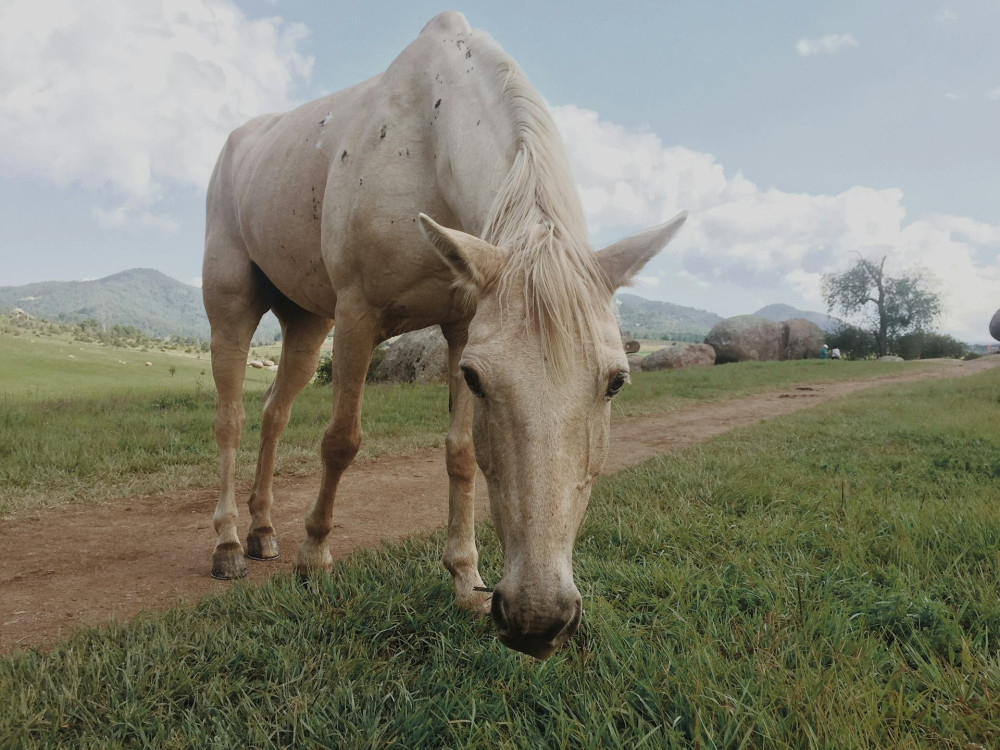
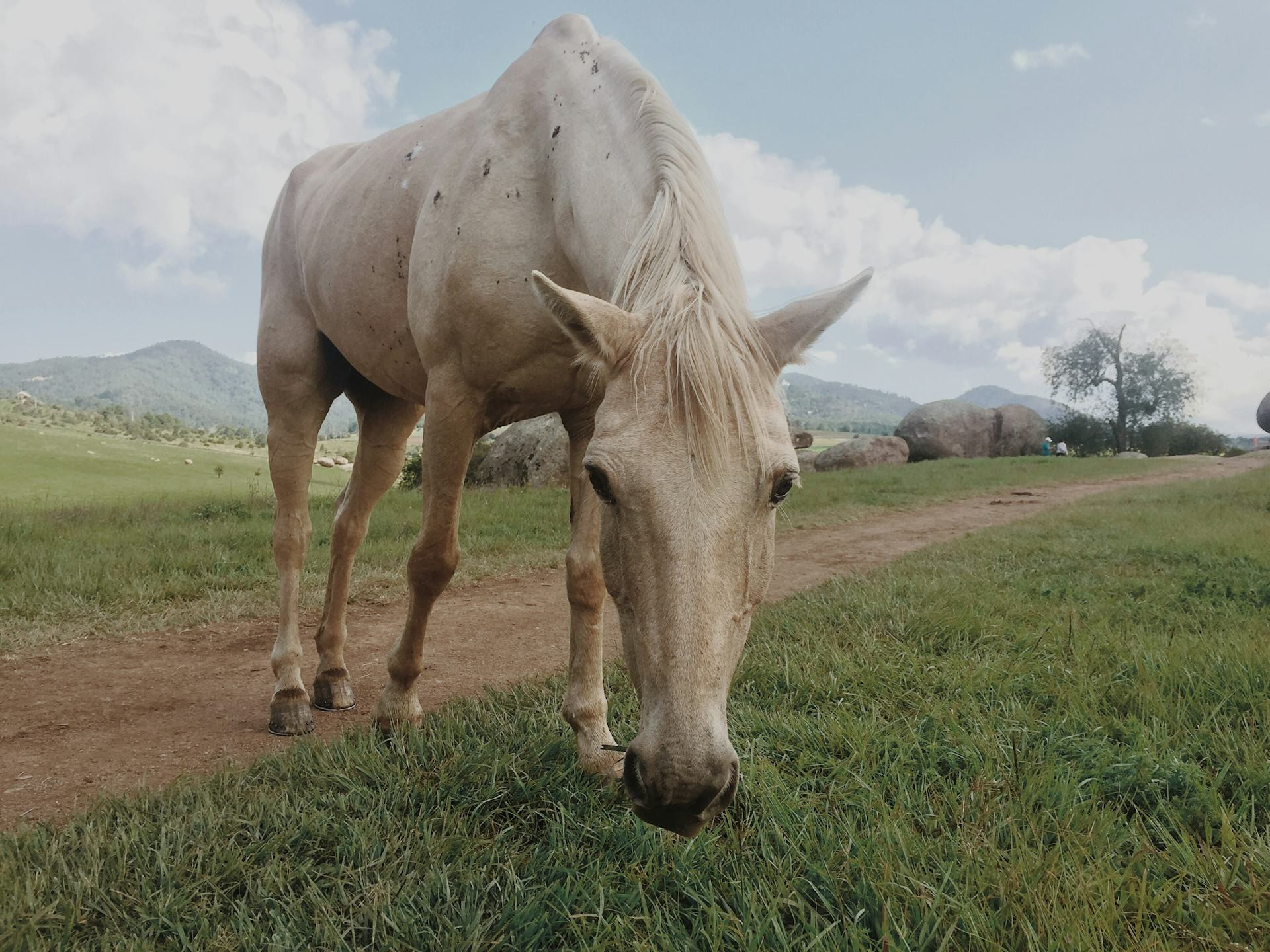
As you change the feeding plan, keep a close eye on your horse’s body condition. Use both sight and touch: you should be able to feel the ribs easily but not see them sharply. The neck should be smooth without a fatty crest, and the hindquarters should remain firm but not rounded with fat.
Weigh your horse regularly using a weight tape, and make feed changes gradually. Adjusting the diet over one to two weeks allows the digestive system to adapt smoothly.
Don’t Forget Water, Salt, and Chewing Time
Even when not in work, your horse needs constant access to clean, fresh water and plain salt. Some horses drink less when they’re not sweating, but hydration remains vital for digestion and overall health.
Make sure your horse has something to chew on for most of the day. Long chewing times help prevent ulcers and boredom. Slow feeders or small-mesh hay nets can extend eating time and support digestive health.
Læs også:

When It’s Time to Return to Work
When your horse goes back into training, the feeding plan should again be adjusted — gradually. Increase the amount of energy-dense feed in step with the intensity of exercise. The body needs time to adapt, both in muscle development and digestion.
A good guideline is to increase feed over two to three weeks while slowly building up the workload. This approach helps prevent digestive upset and unnecessary stress.
A Break Can Be a Benefit
A rest period is also a great opportunity to evaluate your horse’s overall nutrition and condition. You might find ways to fine-tune the diet to better suit your horse’s age, temperament, or health status. Many horses benefit from periods of lower energy intake — it gives the body a chance to recover and helps prevent overfeeding-related issues.
By adjusting feed to match activity level, you show thoughtful care for your horse’s needs — and you’ll help ensure it returns to work healthy, balanced, and ready to perform.
Læs også: