Massage and Stretching – How to Support Your Horse’s Recovery After Training

Massage and Stretching – How to Support Your Horse’s Recovery After Training
After a good workout, your horse needs time and support to recover. Just like in human athletes, massage and stretching help release tension, improve circulation, and prevent injuries. A focused recovery routine not only keeps your horse supple but also promotes long-term soundness and better performance. Here’s a guide to simple techniques you can use to support your horse’s recovery after training.
Why Recovery Matters
During exercise, tiny microtears occur in the muscles, and waste products build up. This is a normal part of training, but without proper recovery, it can lead to stiffness, reduced range of motion, and even overuse injuries. Massage and stretching help the body repair itself more efficiently so your horse can perform at its best the next day.
Recovery isn’t just physical—it’s also mental. Many horses enjoy the calm, focused attention that comes with a massage or stretching session. It can strengthen your bond and help your horse associate post-work routines with relaxation and comfort.
Massage – How to Do It
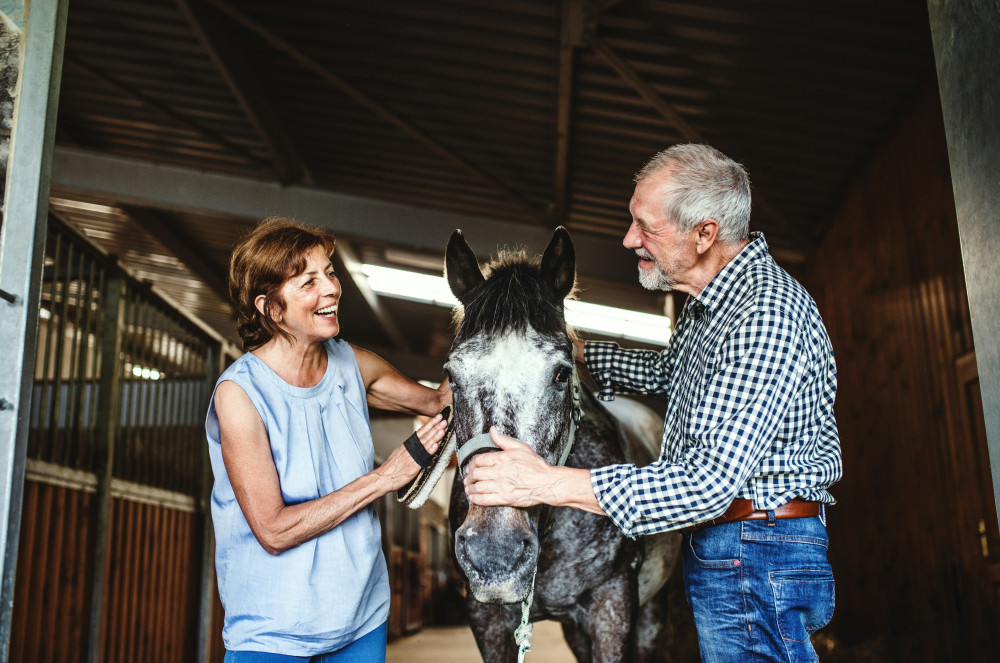
You don’t need to be a professional equine massage therapist to give your horse a beneficial massage. The key is to work slowly, attentively, and with respect for your horse’s responses.
- Start with gentle strokes. Use a flat hand and long, smooth movements along the neck, back, and hindquarters. This warms up the muscles and helps your horse relax.
- Use circular motions. With your fingertips or palm, make small circles over larger muscle groups—especially the shoulders, back, and croup.
- Watch for feedback. If your horse tenses, shifts away, or pins its ears, lighten your pressure or move to another area.
- Finish with light strokes. This helps calm the horse and “close” the session, leaving the body relaxed and balanced.
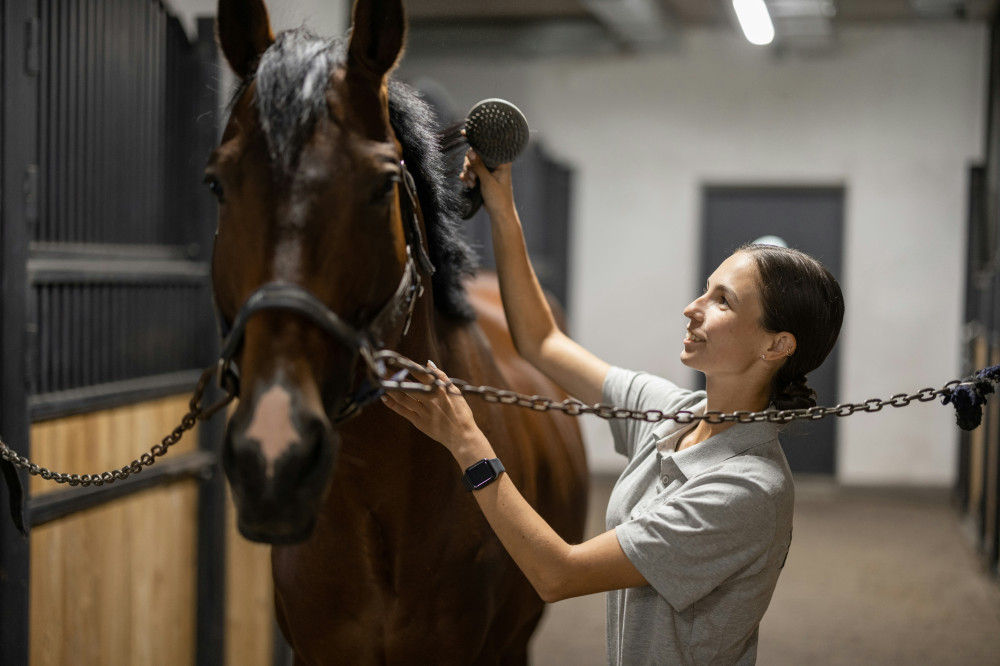
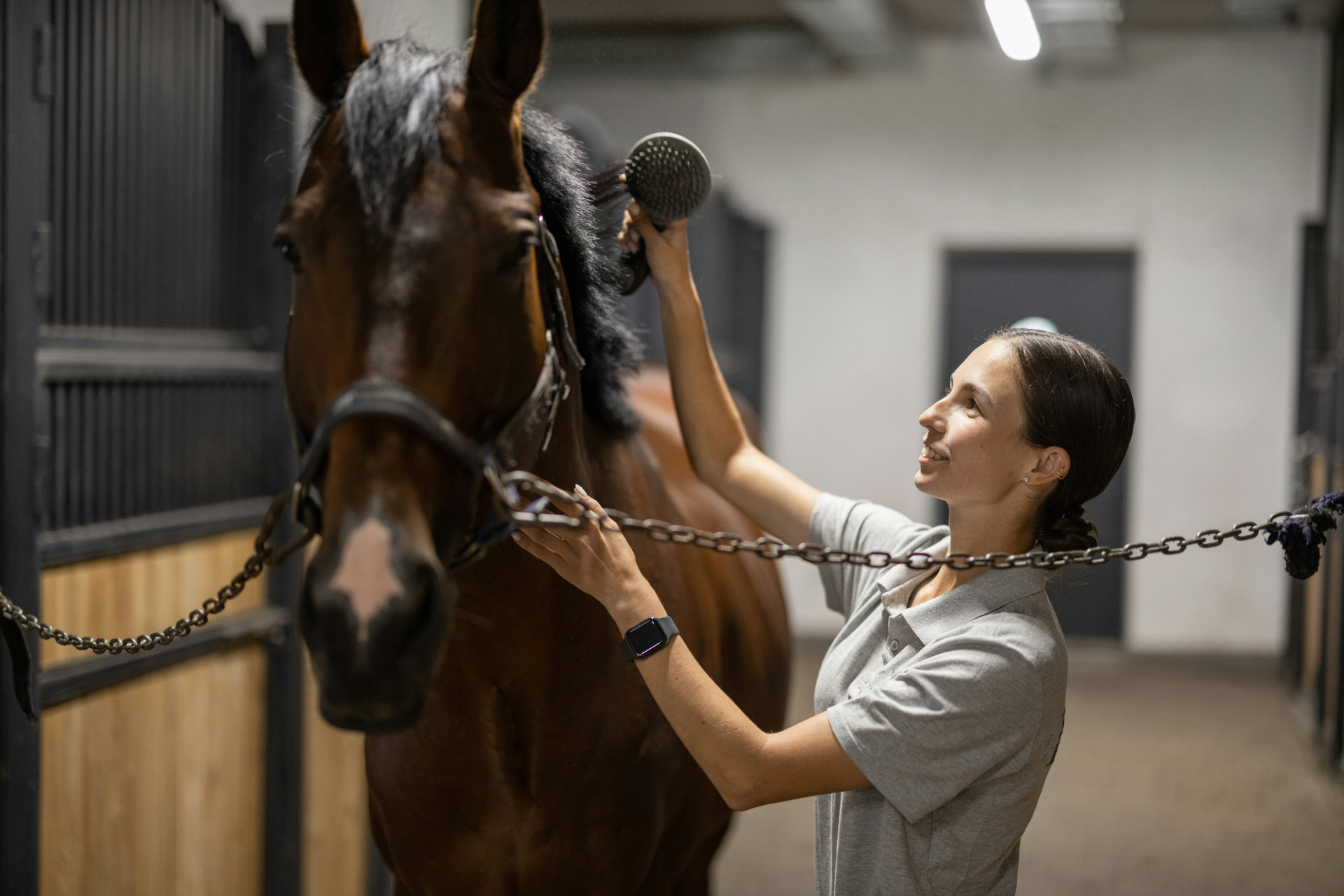
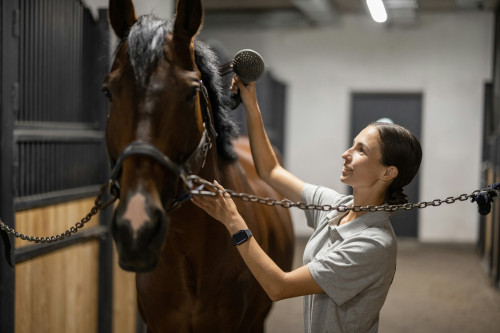
A good rule of thumb is to massage for 10–20 minutes after training, depending on the intensity of the workout. You can also use a soft brush or massage mitt to vary the pressure and texture.
Læs også:

Stretching – For Flexibility and Balance
Stretching exercises help maintain flexibility and symmetry throughout the horse’s body. They can be done from the ground or after riding, while the muscles are still warm.
- Neck stretch forward and down: Use a carrot or treat to encourage your horse to stretch its neck forward and down toward the ground. This loosens the topline and back.
- Lateral bends: Ask your horse to reach for a treat toward its side—first to the right, then to the left. This improves suppleness through the neck and ribcage.
- Hind leg stretch: Gently lift a hind leg and move it slightly backward until you feel a light stretch in the hamstring. Hold for a few seconds, then lower the leg carefully.
Never stretch a cold horse, and never force a stretch. It should feel natural and relaxed, not strained.
Build a Consistent Routine
A recovery routine doesn’t have to take long, but consistency is key. Just five to ten minutes after each ride can make a big difference. Combine massage and stretching with a relaxed walk to help lower the heart rate and loosen the muscles.
Over time, you’ll notice your horse becoming more flexible, recovering faster, and responding positively to the extra care. Many riders also find that this quiet time strengthens their connection with their horse.
When to Seek Professional Help
While you can do a lot on your own, it’s wise to consult a professional if your horse shows persistent stiffness, uneven movement, or sensitivity to touch. A certified equine massage therapist, bodyworker, or veterinarian can assess whether there’s an underlying issue and recommend exercises tailored to your horse’s needs.
An Investment in Your Horse’s Well-Being
Massage and stretching aren’t luxuries—they’re investments in your horse’s health and happiness. A horse that feels good in its body moves better, works more willingly, and stays sound longer. With just a little time and attention after each training session, you can make a lasting difference in your horse’s recovery and overall quality of life.
Læs også: