When Is It Too Cold for Just a Wetsuit? Learn How to Gauge Water Temperature and Conditions

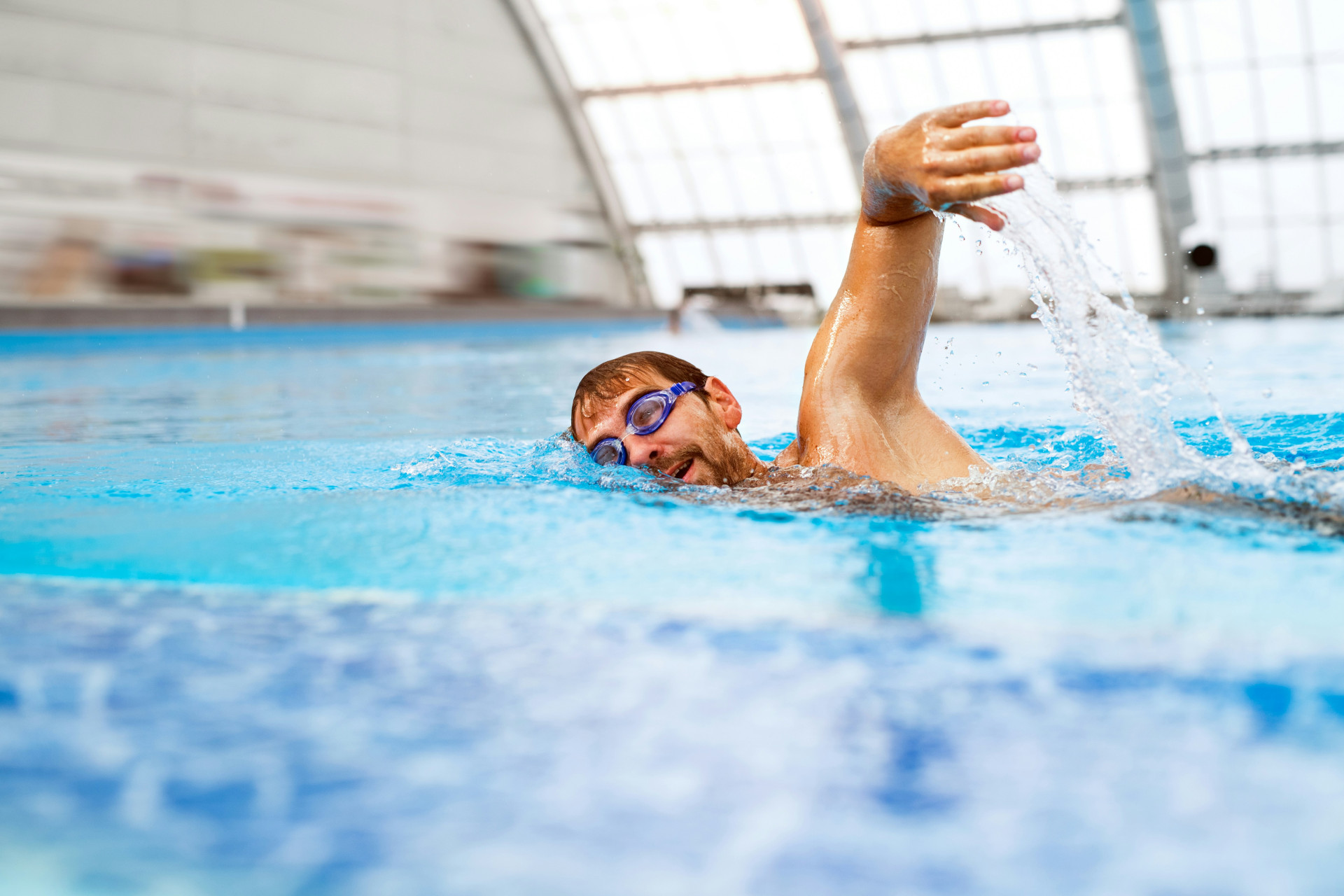
When Is It Too Cold for Just a Wetsuit? Learn How to Gauge Water Temperature and Conditions
Jumping into the water in a wetsuit can be an incredible experience—whether you’re surfing, swimming, diving, or paddling. But water temperature and weather conditions play a major role in how long you can safely stay in the water. Many water enthusiasts ask themselves: When is it too cold for just a wetsuit? Here’s a guide to understanding water temperature, choosing the right suit, and staying safe in chilly conditions.
Understanding the Importance of Water Temperature
Water draws heat away from your body much faster than air does. That means even water that feels “refreshing” can cool you down in minutes. As your core temperature drops below 95°F (35°C), you risk hypothermia—a dangerous condition where your body can no longer maintain normal function.
As a general rule of thumb:
- Above 68°F (20°C): Most people are comfortable in a thin wetsuit (2–3 mm) or even without one for short periods.
- 59–68°F (15–20°C): A 3–4 mm wetsuit provides good comfort for most activities.
- 50–59°F (10–15°C): The cold starts to bite. A 5 mm suit with a hood, gloves, and booties is recommended.
- Below 50°F (10°C): The water is frigid, and a standard wetsuit usually isn’t enough. Consider a drysuit or limit your time in the water.
How a Wetsuit Works—and Its Limits
A wetsuit doesn’t keep you dry. Instead, it traps a thin layer of water between your skin and the neoprene. Your body warms that layer, and the neoprene helps insulate you from further heat loss. But if the water is too cold or you stay in too long, your body can’t keep up.
Neoprene thickness is key. A 3 mm suit is great for summer, while a 5–6 mm suit is better for spring and fall. In winter conditions, even the thickest wetsuit may not be enough without extra protection.
Wind, Weather, and Heat Loss
It’s not just the water temperature that matters. Wind and air temperature also affect how cold you feel. When you come out of the water, evaporation from your wetsuit combined with wind can cause rapid cooling—known as the “wind chill” effect. Even on a sunny day, a cold breeze can make you shiver fast.
Always have a towel and dry clothes ready so you can change quickly after your session. A warm drink can also help your body recover heat.
Læs også:

Signs You’re Getting Too Cold
Recognizing your body’s warning signs is crucial for safety. Stop your activity if you notice:
- Shivering that doesn’t stop, even when you move.
- Numb or clumsy fingers—you struggle to unzip your suit or grip your gear.
- Fatigue, confusion, or dizziness.
- A sudden feeling that the water is “warm”—a dangerous sign of early hypothermia.
It’s always better to get out too soon than too late. Cold impairs both reaction time and judgment, increasing the risk of accidents.
When to Choose a Drysuit
A drysuit keeps you completely dry and insulates with air and thermal layers instead of water. It’s ideal for winter swimming, diving, or kayaking in cold water. Drysuits are more expensive and take some practice to use, but they offer far better protection against the cold.
If you’re active year-round, investing in a drysuit can be worthwhile—especially when water temperatures drop below 50°F (10°C).
Preparing for Cold Conditions
- Check the water temperature before heading out—many coastal stations and apps provide real-time readings.
- Warm up your body before entering the water to boost circulation.
- Wear a hood, gloves, and booties—a lot of heat escapes through your head and hands.
- Plan shorter sessions in cold water, and always go with a buddy.
- Change into dry clothes quickly afterward, and drink something warm.
Listen to Your Body—and the Weather
There’s no single temperature that’s “too cold” for a wetsuit. It depends on your experience, body type, and how long you plan to stay in the water. But as a general guideline, be extra cautious when the water drops below about 55°F (12–13°C). Even experienced surfers and swimmers can get chilled quickly.
Knowing your limits and respecting nature’s power is part of what makes water sports rewarding. With the right preparation, you can enjoy the water safely—even when the temperature drops.
Læs også: