Life Jackets Save Lives: How They Work in Practice

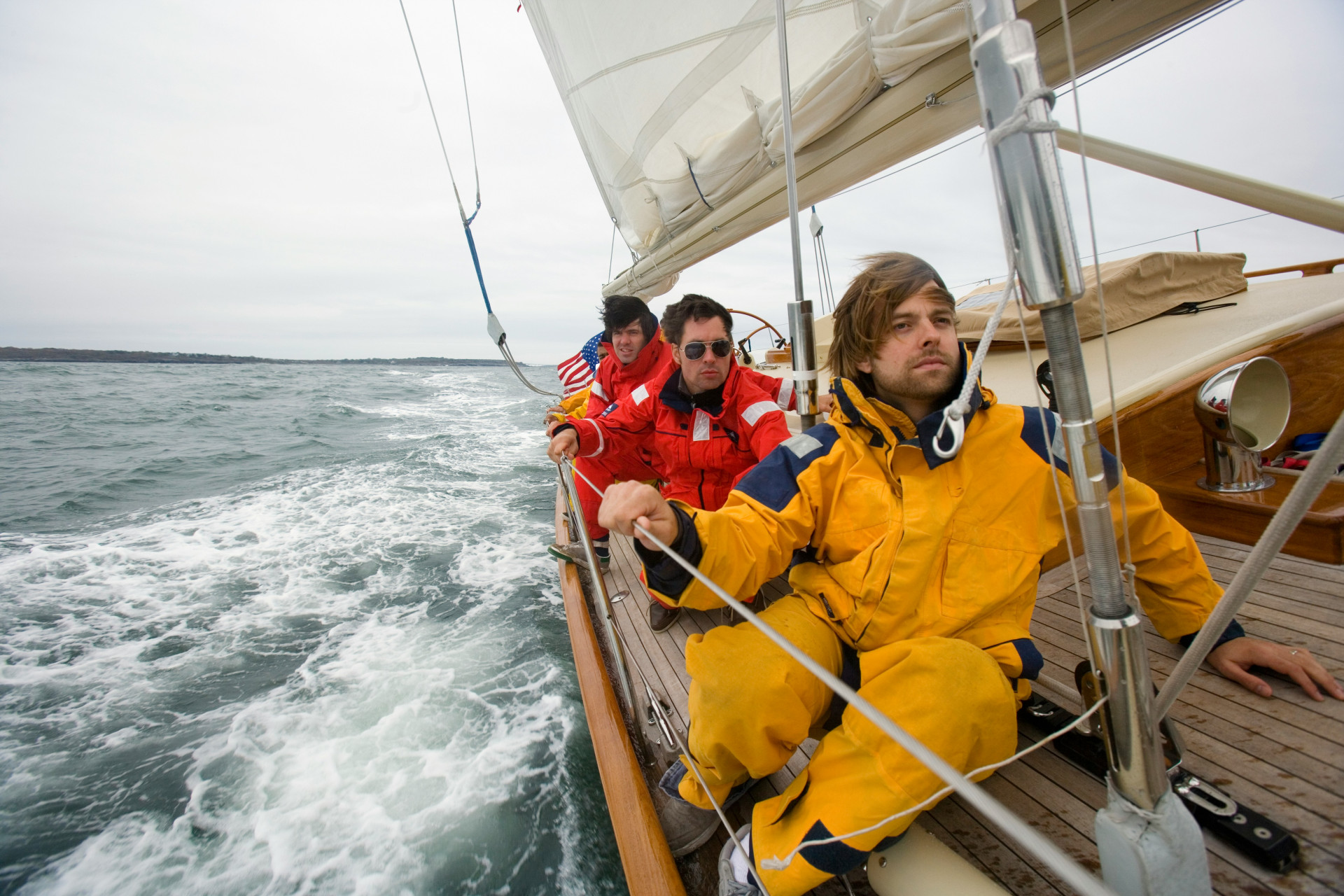
Life Jackets Save Lives: How They Work in Practice
A life jacket might be the most overlooked yet most essential piece of safety gear when heading out on the water. It can mean the difference between life and death if something goes wrong. But how does it actually work—and how do you choose the right one? Here’s a look at how life jackets save lives in practice and what you need to know to use them correctly.
Why a Life Jacket Is Essential
Even strong swimmers can get into trouble if they fall into cold water or are caught by waves or currents. The body reacts quickly to cold shock, and muscle strength drops dramatically within minutes. A life jacket keeps you afloat—even if you lose consciousness—and gives rescuers time to reach you.
According to the U.S. Coast Guard, about 80% of boating fatalities are due to drowning, and in most of those cases, the person was not wearing a life jacket. Wearing one isn’t just about following the law—it’s about common sense and survival.
How a Life Jacket Works
A life jacket is designed to provide buoyancy and keep your airways above water. There are two main types:
- Foam life jackets – These contain buoyant foam that provides constant flotation. They’re simple, require no maintenance, and are ideal for kayaking, canoeing, or boating close to shore.
- Inflatable life jackets – These inflate automatically or manually using a CO₂ cartridge when you fall into the water. They’re lightweight and comfortable but require regular inspection of the cartridge and inflation mechanism.
Both types are built to turn an unconscious person face-up in the water and keep the head above the surface. This is achieved through a combination of buoyancy placement and design that stabilizes the body in the water.
Læs også:
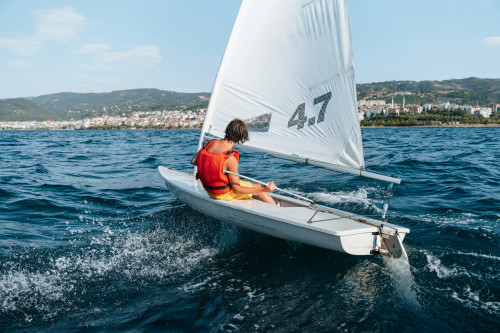
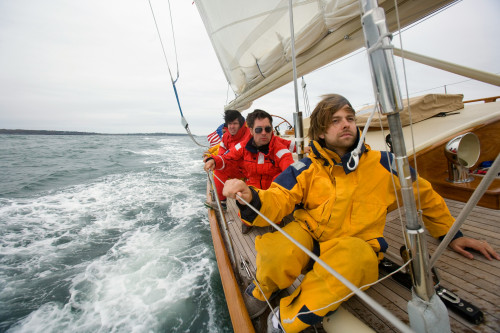

Choosing the Right Life Jacket for Your Activity
There’s no one-size-fits-all life jacket. The right choice depends on what you’re doing:
- Offshore boating: Choose an inflatable life jacket with high buoyancy (Type I or Type II, 150–275 newtons) and a crotch strap to keep it securely in place.
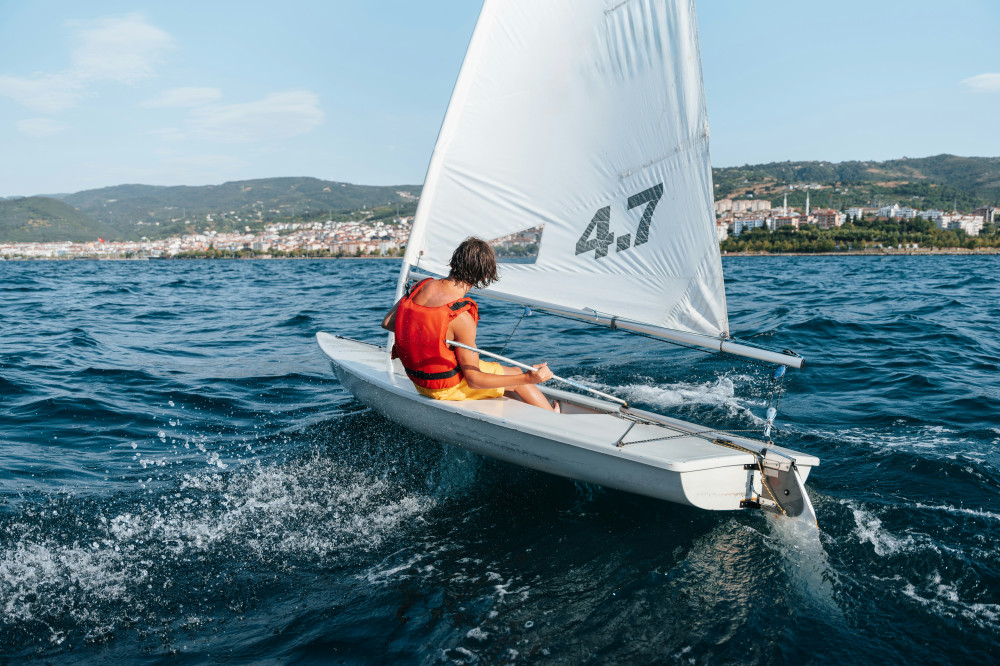
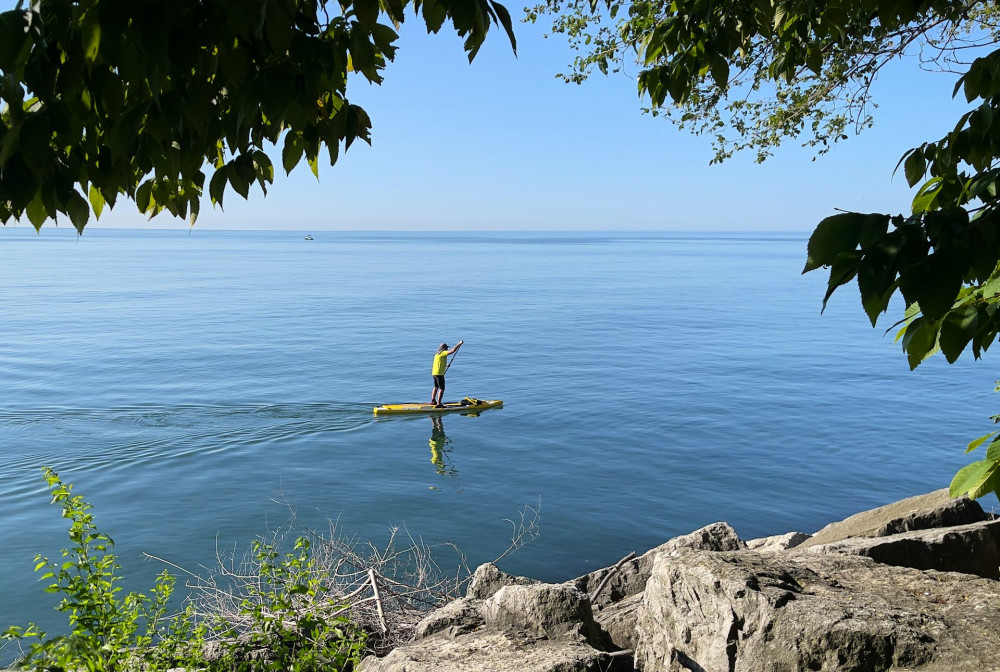
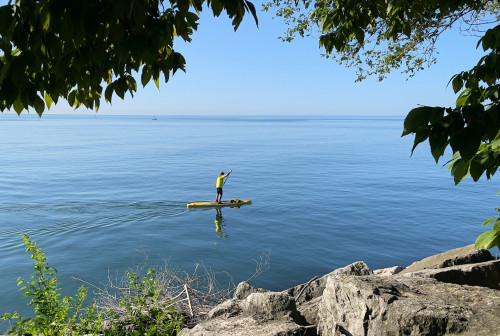
- Kayaking, canoeing, or paddleboarding: A foam life jacket (Type III) with lower buoyancy (50–100 newtons) allows greater freedom of movement.
- Children: Always use a jacket with a collar to support the head and adjustable straps for a snug fit.
- Fishing from a boat: A lightweight inflatable life jacket is often the most comfortable for long hours on the water.
Make sure your life jacket is U.S. Coast Guard–approved and fits your weight and body size. A jacket that’s too big or too small can fail to work properly.
How to Wear a Life Jacket Correctly
A life jacket only works if it’s worn properly. Keep these key points in mind:
- Fasten all straps and zippers so the jacket fits snugly.
- Use the crotch strap if your jacket has one—it prevents the jacket from riding up when you’re in the water.
- Inspect inflatable jackets regularly—check the CO₂ cartridge and trigger mechanism before every trip.
- Put it on before you get on the boat—accidents happen suddenly, and there’s rarely time to put it on once you’re in the water.
It’s a good idea to test your life jacket in shallow water so you know how it feels and how to move while wearing it.
Maintenance and Lifespan
A life jacket can last for years if properly cared for. Rinse it with fresh water after use in saltwater and let it dry in the shade. Avoid storing it damp or in direct sunlight, as that can damage the materials.
Inflatable life jackets should be serviced at least once a year—either by following the manufacturer’s instructions or by a certified service center. Foam life jackets simply need to be checked for cracks, wear, or broken buckles.
A Small Effort with a Big Impact
Putting on a life jacket takes only seconds but can save your life. Many accidents happen close to shore and in calm weather—when people least expect them. That’s why a life jacket should be a natural part of every trip on the water, whether you’re boating, fishing, or paddling.
When you choose a jacket that fits your activity and wear it correctly, you’ve taken the most important step toward keeping yourself and others safe. A life jacket isn’t just a piece of gear—it’s your best insurance on the water.
Læs også: