Balance in the Canoe: How to Steer Safely on Calm Water

Balance in the Canoe: How to Steer Safely on Calm Water
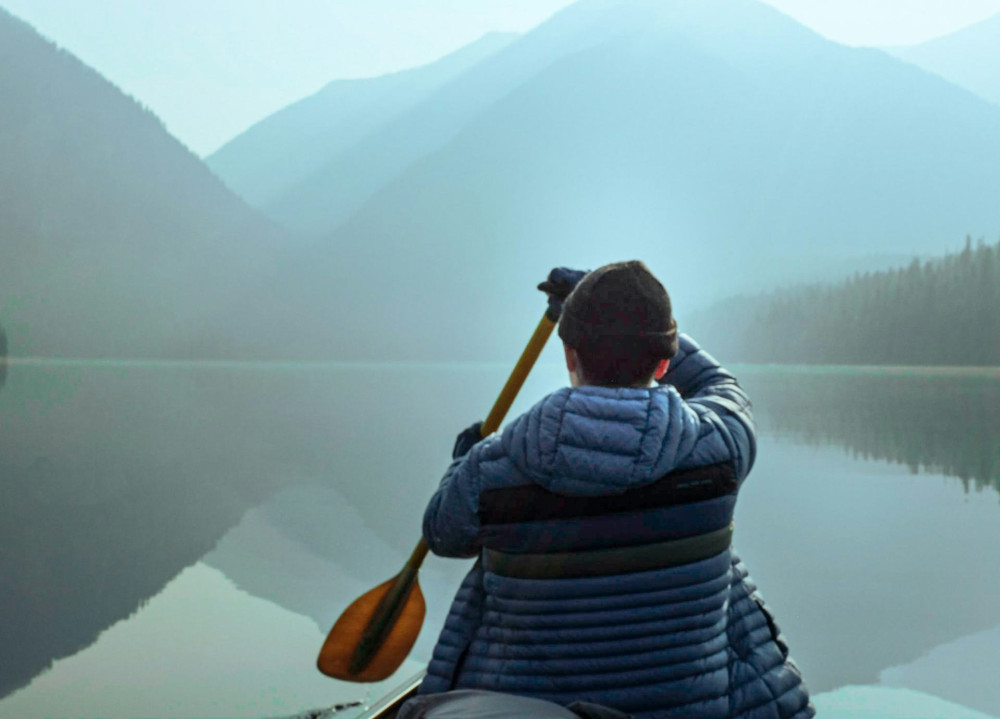
Paddling a canoe on calm water might look effortless, but maintaining balance and steering smoothly takes awareness and technique. Even small shifts in weight can make the canoe wobble, and without proper coordination, a peaceful outing can quickly turn into a balancing act. Here’s a practical guide to staying steady, confident, and in control as you glide across lakes and gentle rivers.
Understanding the Canoe’s Balance Point
A canoe is designed to stay stable as long as the weight is evenly distributed. Sit in the center of your seat and avoid sudden movements. If you’re paddling with a partner, the heavier person should sit in the stern (the back), where steering happens, while the person in the bow (the front) sets the rhythm.
When getting into the canoe, hold onto the dock or shoreline until you’re seated and balanced. Move slowly, keep your weight low, and never lean far over the side—most capsizes happen when someone reaches too far.
Læs også:
The Right Paddling Technique
Canoeing isn’t about brute strength; it’s about rhythm and coordination. On calm water, smooth, consistent strokes are key. Keep your paddle vertical in the water for the most efficient forward motion, and avoid splashing—it wastes energy and can throw off your balance.
- The bow paddler sets the pace and watches for obstacles.
- The stern paddler steers by angling the paddle slightly outward or inward.
- Switch sides regularly to keep the canoe moving straight.
- Use short, steady strokes rather than long, forceful ones.
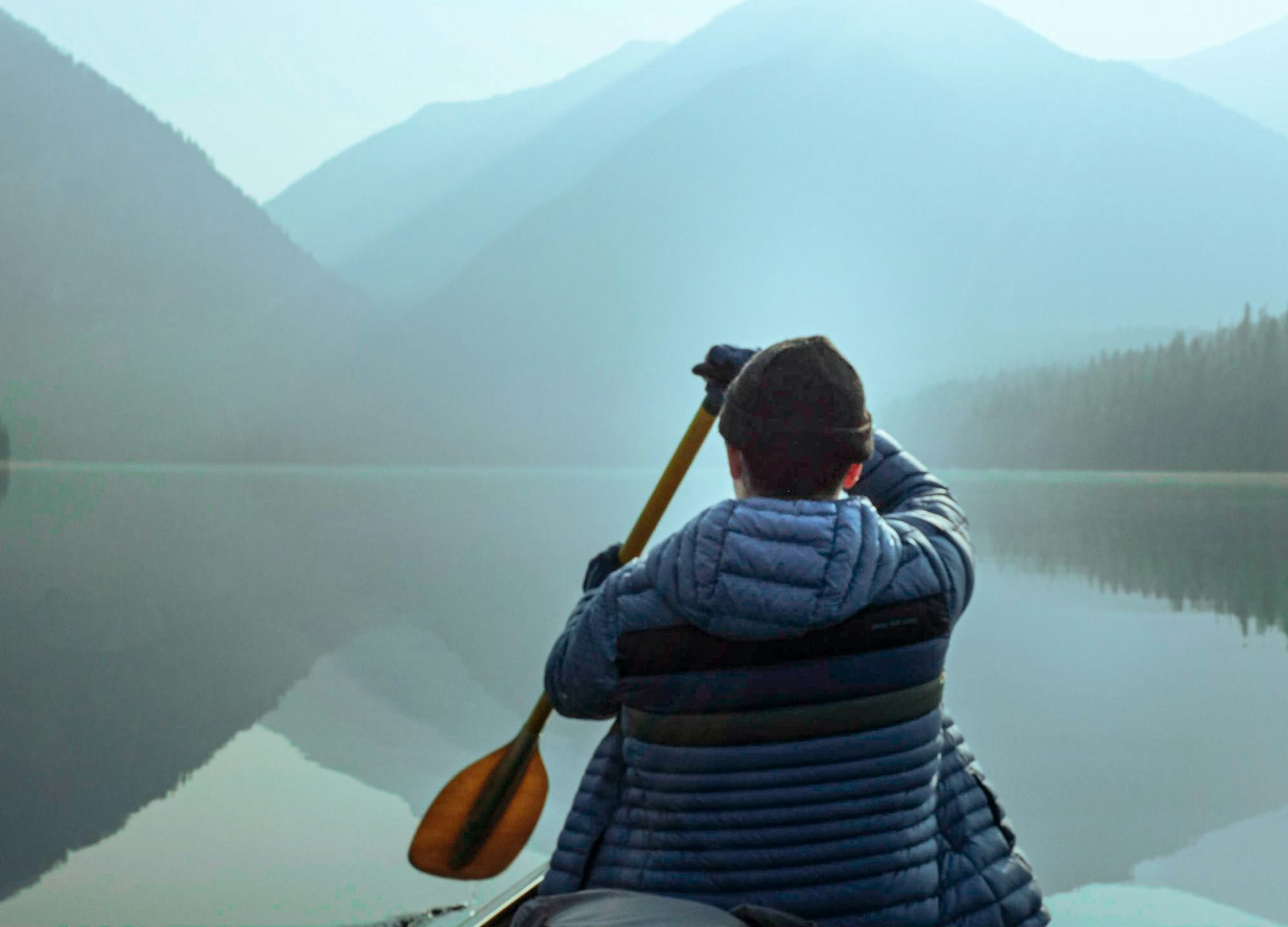
If you’re paddling solo, sit just behind the center of the canoe. This position helps keep the bow slightly raised and makes steering easier. Use controlled strokes and adjust your direction with small corrections rather than big turns.
Weight Distribution and Movement
Proper weight distribution is one of the most important factors for stability. Keep gear low and centered in the canoe to maintain a low center of gravity. Avoid stacking items high—it makes the canoe more top-heavy and prone to tipping.
When you need to reach for something, don’t lean to the side. Instead, use your paddle for support or ask your partner to steady the canoe. Even small shifts can be felt immediately, especially in narrow or lightweight canoes.
Steering on Calm Water
On still lakes and slow-moving rivers, steering is all about subtle adjustments. Use your paddle as a rudder by letting it trail gently behind the canoe and turning it slightly to guide your direction. The farther back you hold the paddle, the sharper the turn will be.
To turn the canoe around, paddle forward on one side and backward on the other. It takes a bit of practice, but once you get the feel for it, you’ll be able to maneuver easily near docks or shorelines.
Handling Wind and Small Waves
Even on calm water, wind can create small ripples that affect your balance. If the wind comes from the side, angle the canoe slightly into it for better stability. Avoid paddling directly across waves when possible, and keep your paddle ready to brace if the canoe starts to rock.
When paddling into the wind, lower your upper body slightly and take shorter, stronger strokes. This reduces wind resistance and helps you maintain steady progress.
If the Canoe Capsizes
Even experienced paddlers can tip over. The most important thing is to stay calm. Hold onto the canoe—it will float, and it’s easier for others to spot you. If you’re close to shore, guide the canoe in while keeping a firm grip. In deeper water, flip it upright and use it for support until you can get help or reach land.
Always wear a life jacket. No matter how calm the water looks, it’s your best safety measure.
Practice Builds Confidence
Balance in a canoe comes with experience. The more time you spend on the water, the better you’ll understand how the canoe responds to your movements. Start in shallow water, practice paddling, turning, and stopping, and gradually move to larger lakes as your confidence grows.
Mastering balance doesn’t just make you safer—it makes the experience more enjoyable. Once you find your rhythm, the canoe becomes an extension of your body, and you can fully appreciate the quiet, the scenery, and the freedom of being on the water.
Læs også: