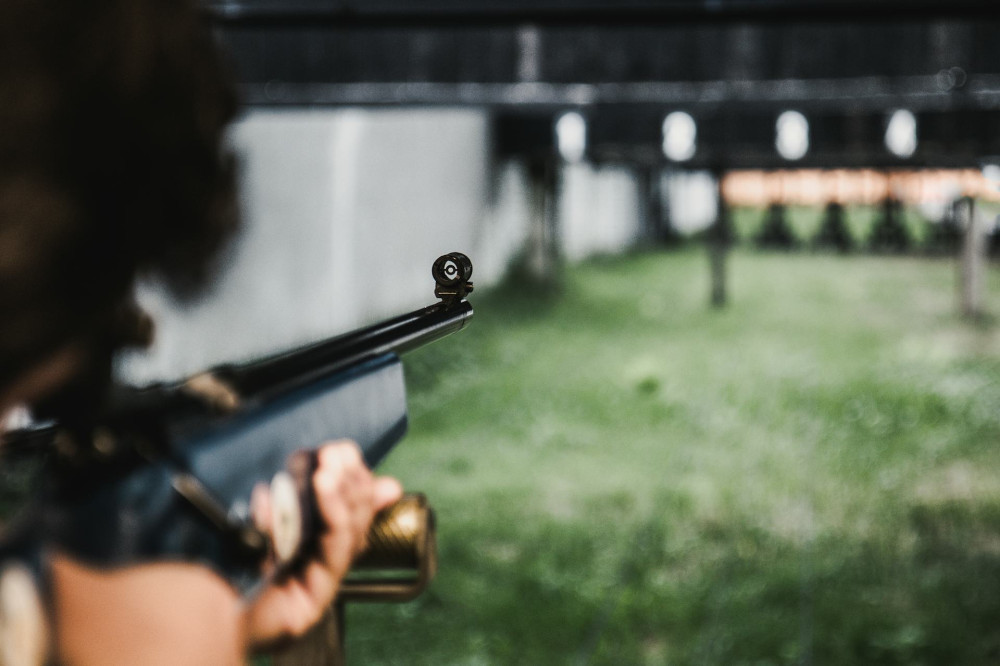
Train Distance Estimation and Target Identification – Sharpen Your Field Skills

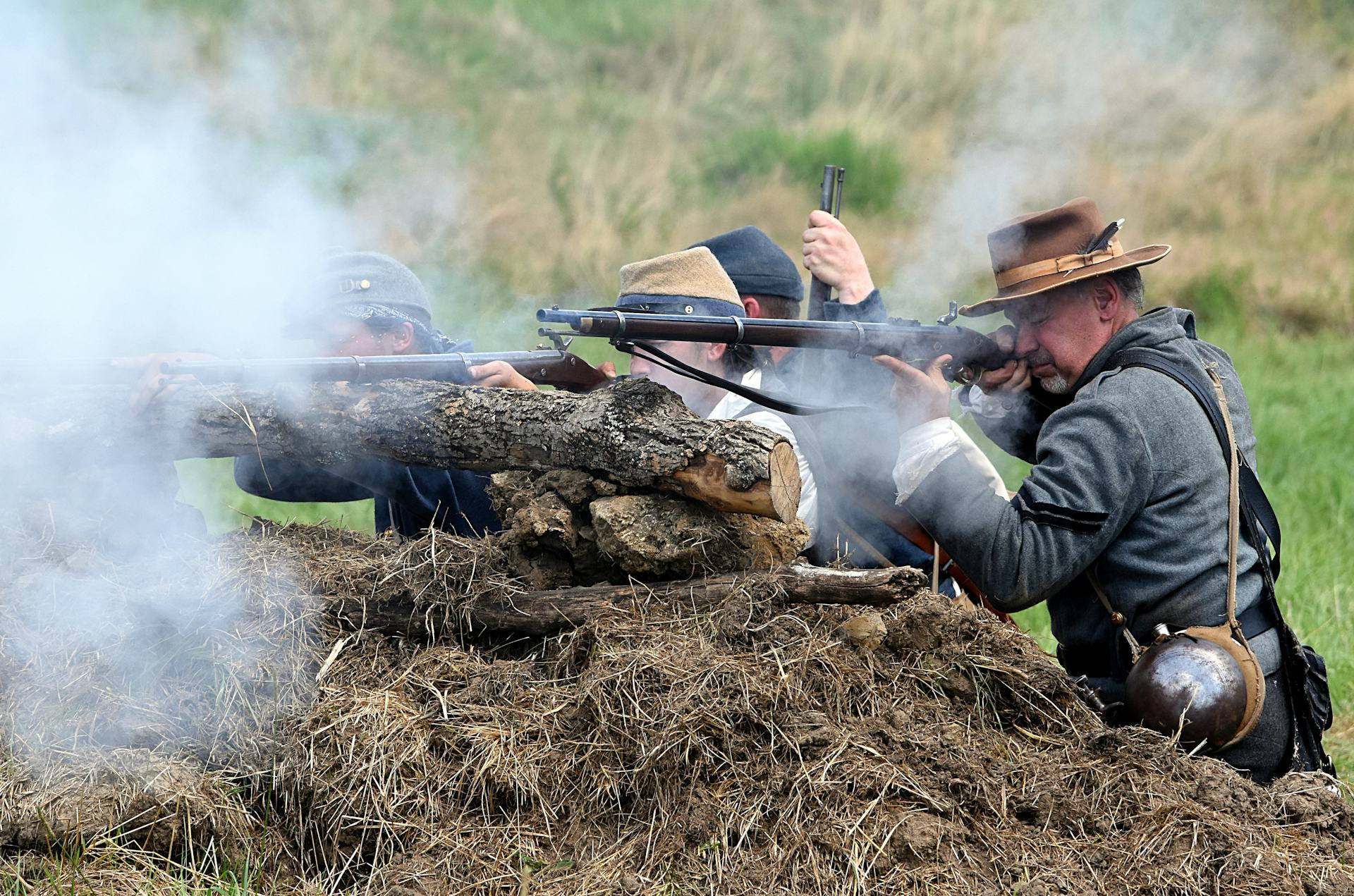
Train Distance Estimation and Target Identification – Sharpen Your Field Skills
Being able to judge distance and identify targets quickly and accurately is one of the most valuable skills for anyone who spends time in the field—whether you’re a hunter, competitive shooter, or member of the armed forces. It’s not just about having a sharp eye; it’s about training your observation skills, understanding the terrain, and applying the right techniques. Here’s how you can sharpen your ability to estimate distances and identify targets with confidence.
Why Distance Estimation Matters
Distance estimation is the ability to determine how far away an object is—without relying solely on technology. In shooting and hunting, it’s essential for choosing the correct sight setting, compensating for bullet drop, and ensuring an ethical shot. In tactical or survival situations, it can mean the difference between spotting a threat in time or missing it altogether.
Even small errors can have big consequences. A misjudgment of just 50 yards can cause a shot to hit too high or too low. That’s why it’s important to train your eyes to recognize distances under different conditions—open plains, wooded areas, urban environments, and varying light.
Train Your Eye – No Fancy Gear Required
You don’t need expensive equipment to improve your distance estimation. Start with simple, practical exercises:
- Use known objects – Estimate the distance to familiar items like a mailbox, vehicle, or tree. Guess first, then measure with a rangefinder or pacing.
- Pace it out – Learn how long your natural stride is. This helps you verify your estimates on foot.
- Practice in different environments – Distances appear shorter in open terrain and longer in forests or hilly areas. Train yourself to adjust for these visual effects.
- Apply “rule-of-thumb” methods – For example, a standing person at 100 yards appears roughly the same height as your thumb when your arm is fully extended.
The more you practice, the better your brain becomes at comparing and recognizing distances instinctively.
Target Identification – Spot the Details That Matter
Accurate target identification is about seeing and interpreting details correctly. It can mean distinguishing between a deer and a shadow, or between a friendly and a hostile figure in the field. It requires both observation and knowledge.
- Learn silhouettes – Train yourself to recognize shapes and movements. Animals, people, and vehicles each have distinctive outlines that you can learn to identify at a glance.
- Use optics wisely – Binoculars or scopes can help, but your eyes and experience ultimately determine what you see.
- Practice in varied light – Shadows, fog, and glare can distort perception. Train in bright sunlight, dusk, and overcast conditions to build adaptability.
- Know your terrain – The better you understand the landscape, the easier it is to notice something that doesn’t belong.
Target identification isn’t just about sight—it’s about thinking critically. Ask yourself: What makes sense to see here? What movement or color breaks the natural pattern?
Combine the Skills in the Field
When you’re out in the field, distance estimation and target identification go hand in hand. You need to detect, assess, and react quickly. A good exercise is to combine both skills:
- Choose an area with varied terrain.
- Pick several points or objects—trees, rocks, or buildings.
- Estimate the distance and record your guesses.
- Identify what you see—shape, color, movement.
- Verify your results with a rangefinder or map.
Repeat this exercise under different conditions to build both accuracy and confidence.
Technology Is a Tool, Not a Crutch
Rangefinders, ballistic apps, and GPS devices are excellent tools, but they shouldn’t replace your own skills. Batteries die, electronics fail, and conditions can change. The best marksman or observer is the one who can operate effectively without technology—and use it as a supplement when needed.
Læs også:
Make Training Part of Everyday Life
You can practice distance estimation and target identification almost anywhere—on a hike, at the range, or even while driving through the countryside. Make it a habit to guess distances and observe details. The more you practice, the more natural it becomes.
Sharpening your field skills isn’t just about technique—it’s about awareness, patience, and experience. With consistent training, you’ll find yourself seeing more, reacting faster, and moving with greater confidence in any environment.
Læs også: