Sights in Practice: Iron Sights, Scopes, or Red Dot Sights?

Sights in Practice: Iron Sights, Scopes, or Red Dot Sights?
When you pick up a firearm—whether for hunting, target shooting, or home defense—the sighting system is one of the most important factors for accuracy and confidence. But which sight is right for you? Iron sights, scopes, and red dot sights each have their own strengths and weaknesses, and the best choice depends on your firearm, shooting distance, and purpose. Here’s a practical look at the three most common sight types—and how to choose the one that fits your needs.
Iron Sights – The Classic and Reliable Option
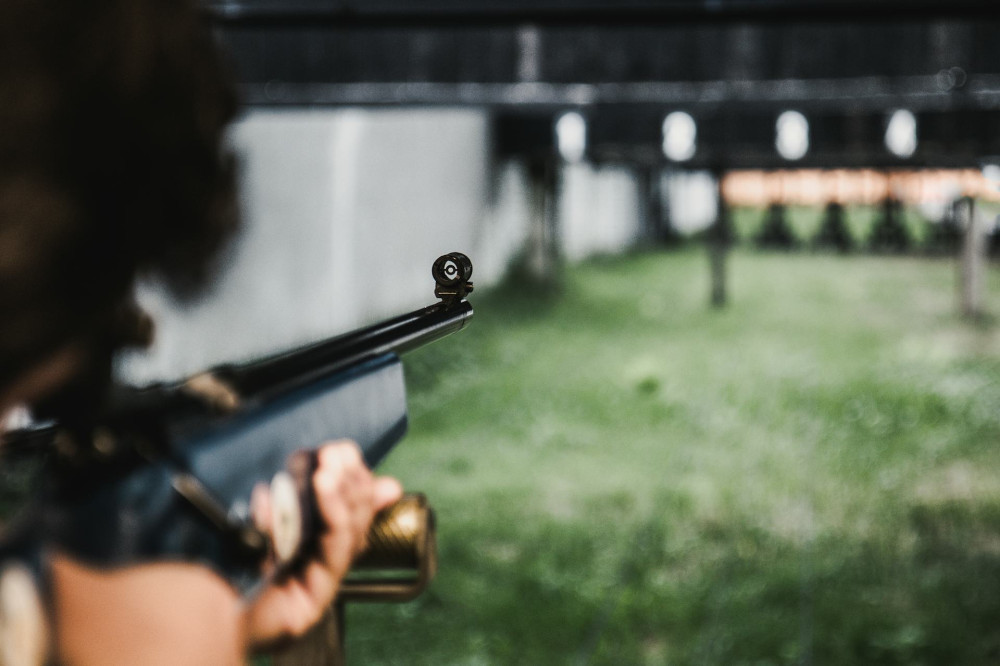
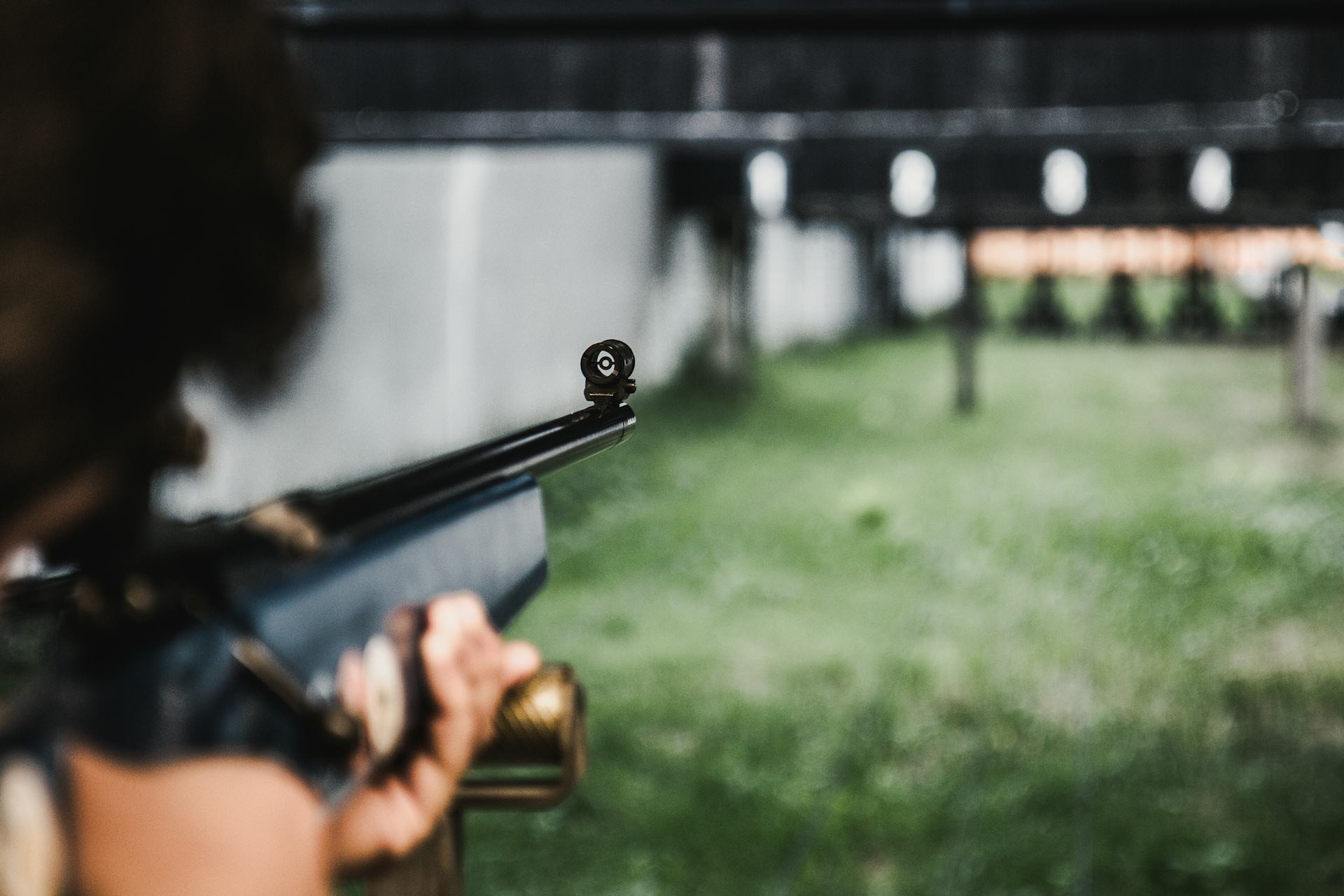
Iron sights are the most basic and time-tested aiming system. They usually consist of a front post and a rear notch or aperture that you align with your target. While they require practice to master, they’re simple, durable, and completely independent of batteries or electronics.
Advantages:
- Extremely rugged and dependable in almost any condition.
- No electronics to fail or maintain.
- Lightweight and compact, keeping your firearm balanced.
Disadvantages:
- Require good eye-hand coordination and consistent practice.
- Less precise at longer ranges.
- Harder to use in low-light conditions.
Iron sights are ideal for short-range shooting and as a backup if your optic fails. Many experienced shooters recommend learning to shoot well with irons no matter what other sight you use—it’s a fundamental skill that never goes out of style.
Læs også:

Scopes – Precision at a Distance
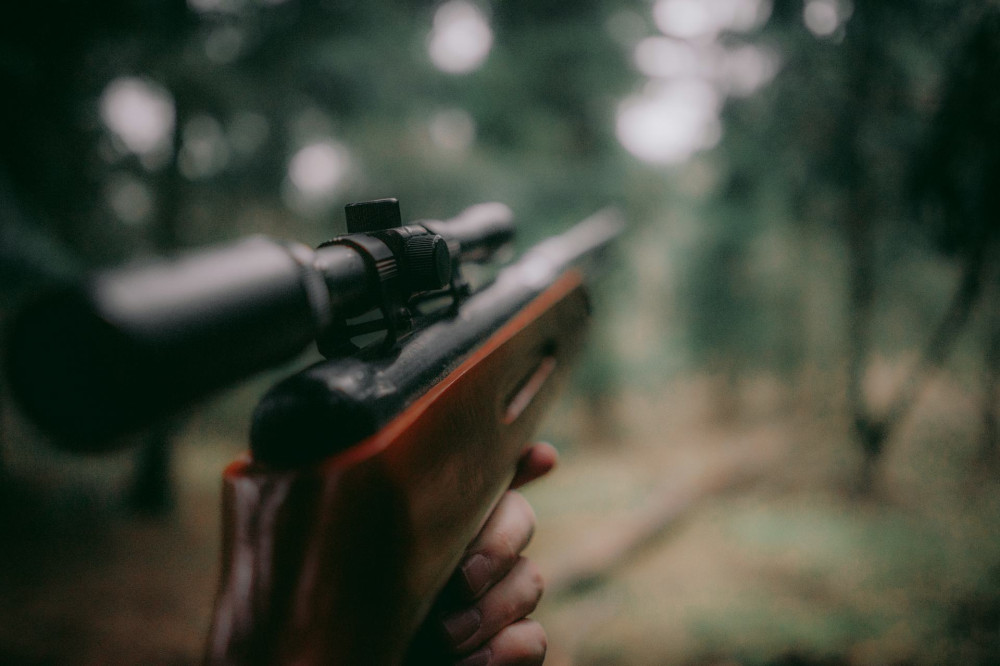
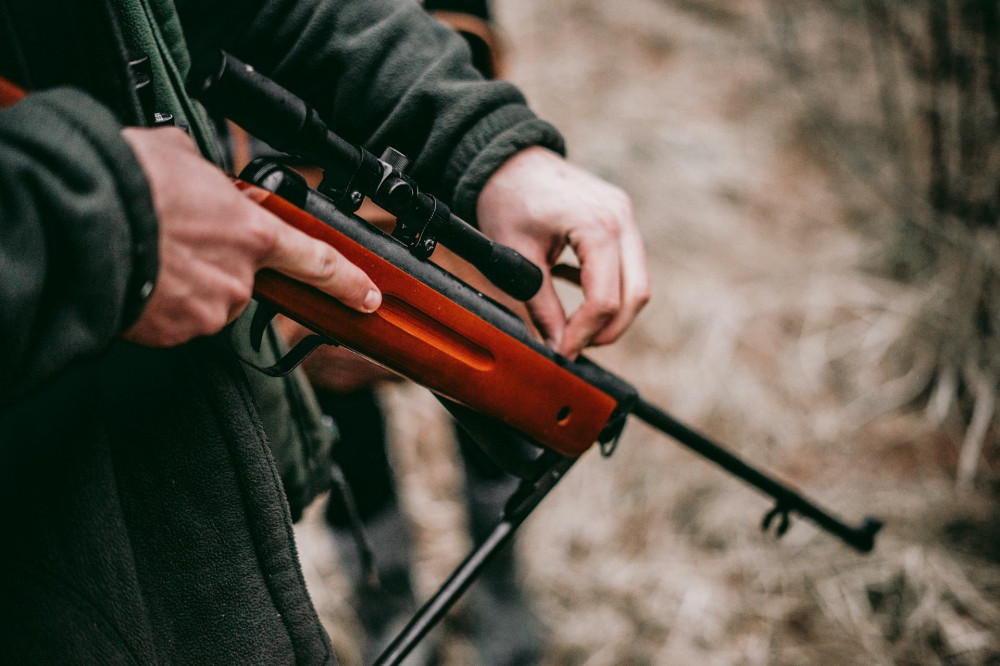
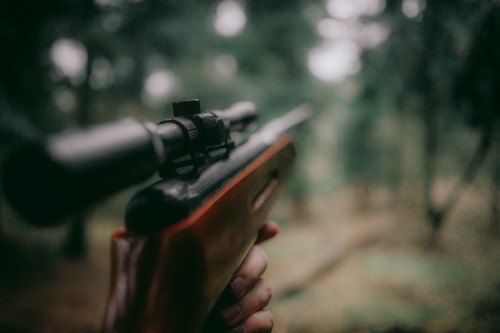
A scope is the go-to choice for hunters and long-range shooters. It magnifies the target and allows for precise aiming, especially beyond 100 yards. Modern rifle scopes often feature adjustable turrets for elevation and windage, as well as illuminated reticles for better visibility at dawn or dusk.
Advantages:
- High precision at medium to long distances.
- Makes it easier to identify and place your shot accurately.
- Many models offer variable magnification and illuminated reticles.
Disadvantages:
- Heavier and bulkier than other sighting systems.
- Requires proper mounting and zeroing.
- Can fog up or lose zero if handled roughly.
A quality scope can be a lifetime investment, but it needs care and adjustment to match your rifle and shooting style. For open fields, mountain terrain, or long-range target shooting, a scope is indispensable. In dense woods or fast-moving scenarios, however, it can be too slow to acquire targets.
Red Dot Sights – Speed and Versatility
Red dot sights have become extremely popular among hunters, competitive shooters, and tactical users alike. They project a small illuminated dot—usually red or green—onto a lens, allowing you to aim without aligning front and rear sights. This makes target acquisition incredibly fast and intuitive.
Advantages:
- Rapid target acquisition—perfect for moving targets.
- Can be used with both eyes open for better situational awareness.
- Lightweight and compact design.
Disadvantages:
- Dependent on batteries.
- Less effective for very long-range shooting.
- Cheaper models may suffer from poor brightness control or parallax issues.
Red dots are excellent for dynamic shooting, close-range hunting, or defensive use where speed matters more than pinpoint precision. They can also be paired with magnifiers for added flexibility.
Which Sight Should You Choose?
Your choice depends on what you’re shooting and under what conditions:
- For hunting in thick woods or short distances: Red dot or iron sights.
- For long-range hunting or precision shooting: A quality scope.
- For competition or tactical use: A red dot sight—possibly with backup iron sights.
The best advice is to try different options. Many ranges and retailers in the U.S. offer opportunities to test various sighting systems so you can feel the difference firsthand. A sight that feels natural and matches your shooting style will always deliver better results.
Maintenance and Zeroing
No matter which sight you choose, proper zeroing and maintenance are essential. A sight that isn’t correctly adjusted won’t hit where you aim—no matter how expensive it is. Take the time to zero your firearm at the distance you most often shoot, and check periodically to ensure nothing has shifted.
Clean lenses and mechanical parts carefully, and protect your sight from moisture and impact. A well-maintained sight can last for years and help you shoot accurately every time.
Conclusion: The Best Sight Is the One That Fits You
There’s no single “perfect” sight for every shooter. Iron sights offer durability and fundamental skills, scopes deliver precision, and red dots provide speed. The key is finding the balance that suits your firearm, your environment, and your goals.
Whatever you choose, the most important thing is to know your equipment and practice with it regularly. A good sight won’t make you a better shooter on its own—but it can help a good shooter become even better.
Læs også: