Rediscover Calm After a Busy Day with Simple Yoga Routines

Rediscover Calm After a Busy Day with Simple Yoga Routines
When your day has been packed with meetings, errands, and endless notifications, it can be hard to unwind once evening arrives. Your mind keeps racing, your shoulders feel tight, and sleep seems far away. A short yoga routine can be a simple and effective way to restore balance between body and mind. You don’t need to be flexible or experienced—just a few minutes and a quiet space to breathe.
Why Yoga Helps Ease Stress
Yoga combines movement, breath, and mindful awareness. When you move slowly and with intention, your body activates the parasympathetic nervous system—the part that lowers your heart rate and helps muscles relax. Gentle stretches release tension that builds up during the day, especially in the neck, shoulders, and lower back.
Research shows that even brief yoga sessions can reduce stress levels and improve sleep quality. It’s not about performance; it’s about giving your body permission to slow down.
Set the Scene for Relaxation
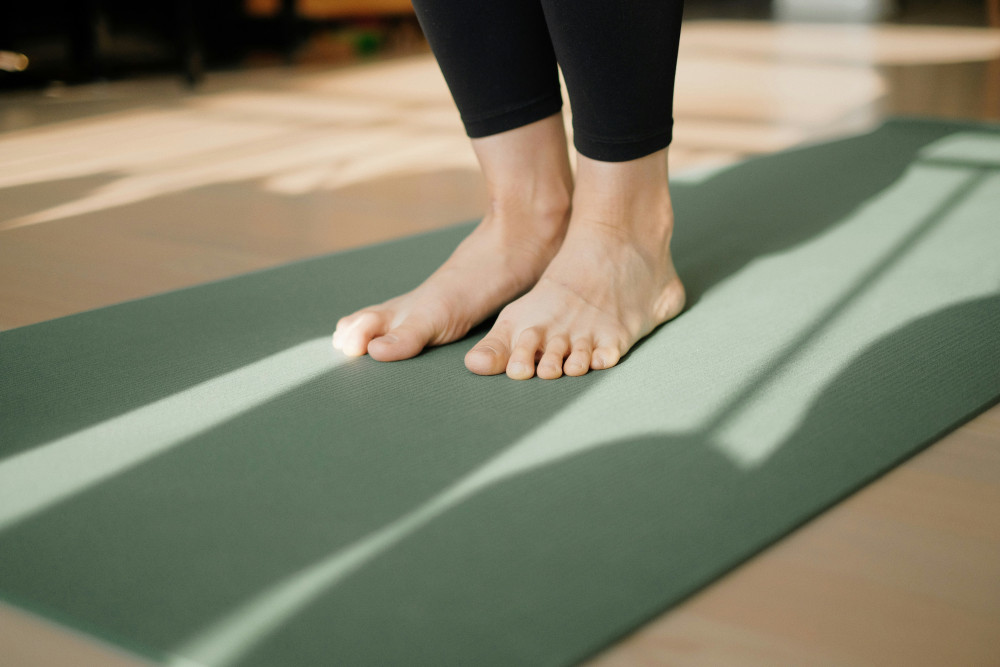
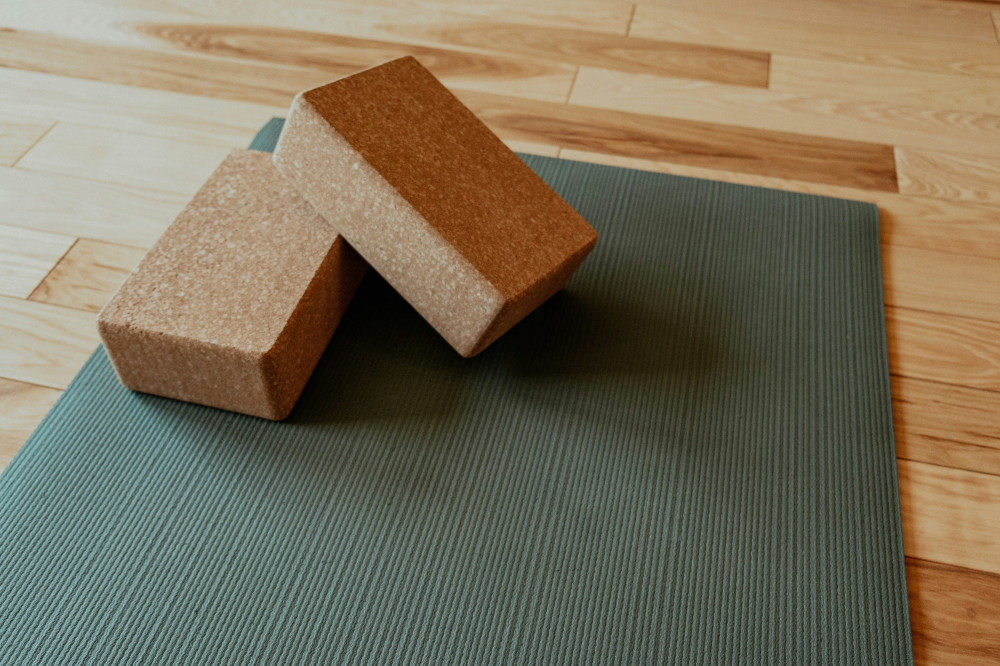
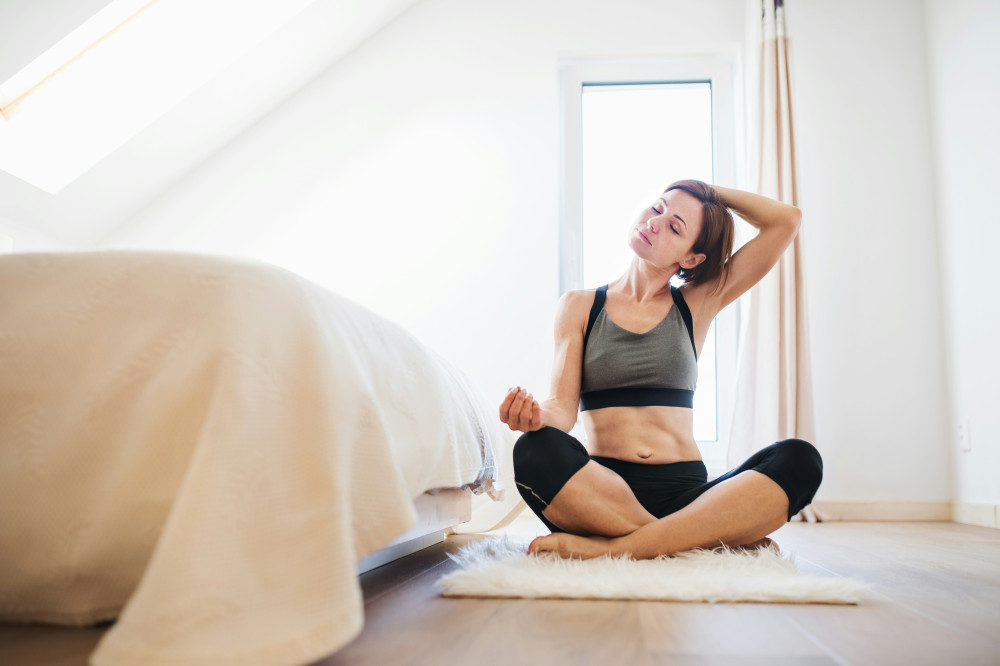
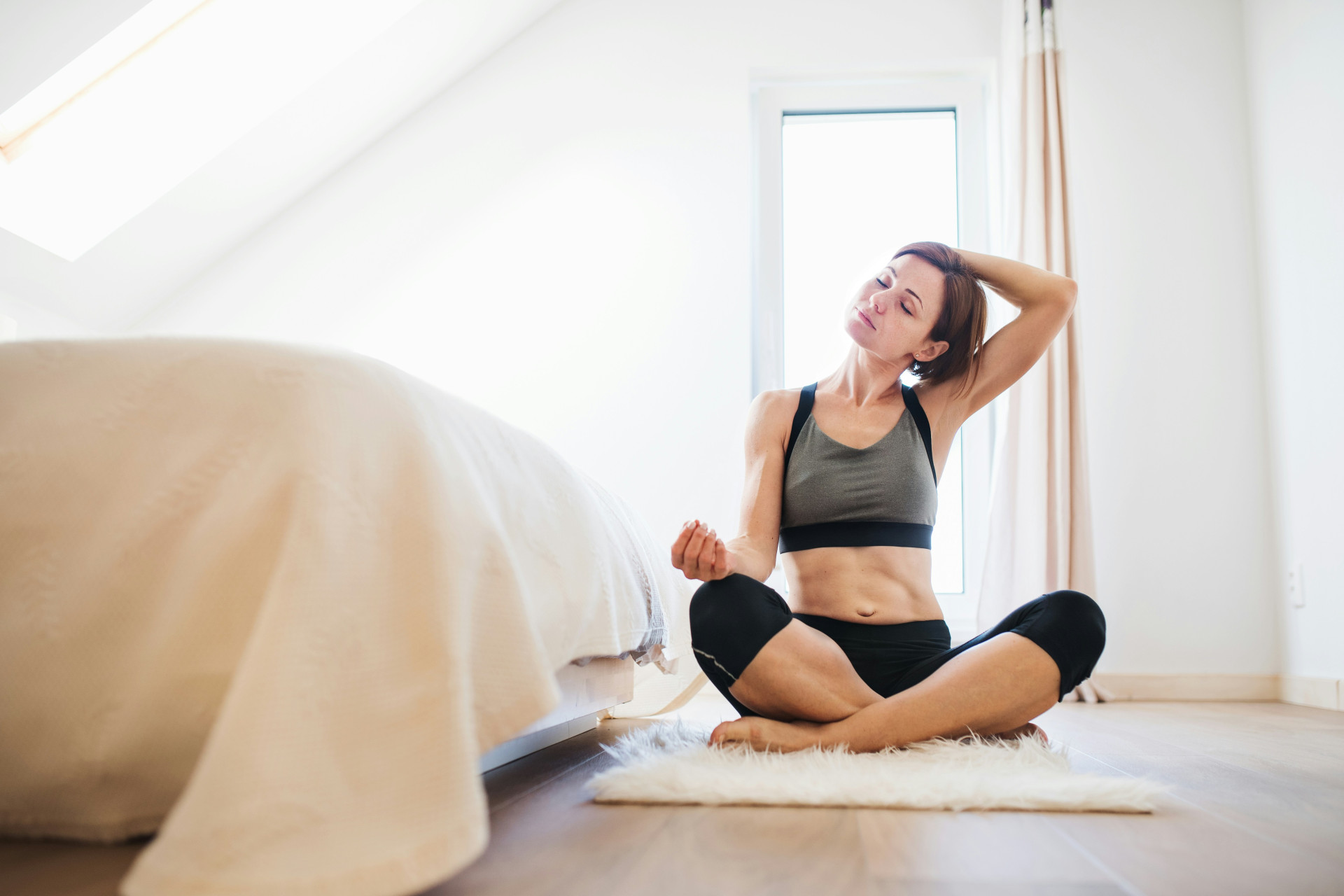
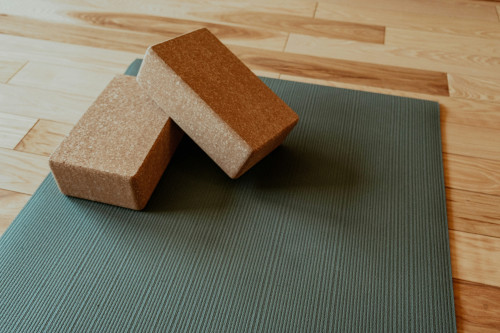
Before you begin, take a moment to create a calm atmosphere. Silence your phone, dim the lights, and find a space where you can move freely. A yoga mat is helpful, but a soft rug or blanket works just as well.
If it helps you relax, light a candle or play soft instrumental music. The goal is to feel comfortable and undisturbed.
A Simple 10-Minute Evening Routine
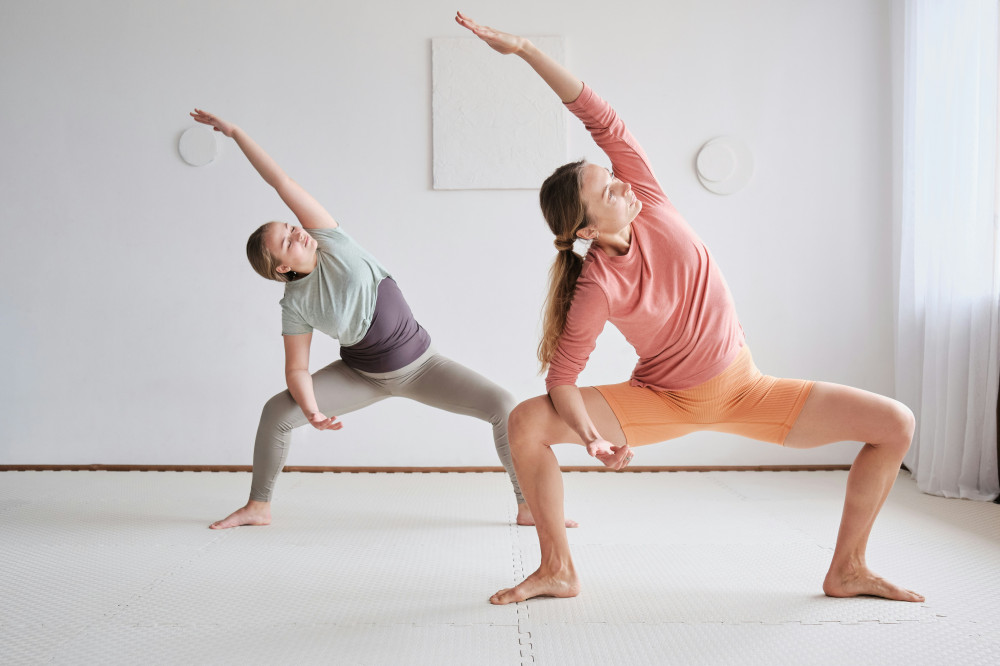
Here’s a short yoga sequence you can do in about ten minutes. It’s beginner-friendly and requires no special equipment.
- Child’s Pose (Balasana) – Start on your knees and fold forward, stretching your arms out in front of you. Breathe deeply and feel your back and hips release tension.
- Cat-Cow (Marjaryasana/Bitilasana) – Come onto all fours and move your spine in gentle waves: round your back as you exhale, arch slightly as you inhale. This loosens the spine and relieves stiffness.
- Downward-Facing Dog (Adho Mukha Svanasana) – Lift your hips to form an inverted V shape. Stretch your legs as much as feels comfortable. This pose boosts circulation and refreshes the body.
- Seated Forward Fold (Paschimottanasana) – Sit with your legs extended and fold forward over them. Let your head and shoulders relax as your breath slows.
- Supine Twist (Supta Matsyendrasana) – Lie on your back and let one knee fall across your body to the opposite side. This gentle twist releases the lower back and aids digestion.
- Final Relaxation (Savasana) – Lie flat on your back, close your eyes, and let your body sink into the floor. Stay here for a few minutes, focusing on your breath.
Let Your Breath Be the Anchor
Throughout the routine, your breath is your guide. Inhale slowly through your nose and exhale through your mouth. If your thoughts start to wander, gently bring your attention back to your breathing—that’s where calm begins.
Try lengthening your exhale slightly; it signals to your body that it’s safe to relax. For example, inhale for a count of four and exhale for a count of six.
Læs også:
Make It a Habit
The benefits of yoga grow with consistency. You don’t have to practice every day—three times a week can make a noticeable difference. Over time, you’ll find your body becoming more flexible and your mind more at ease, even on hectic days.
Many people make evening yoga a small ritual, a quiet transition between the demands of the day and the restfulness of night. It’s a gentle reminder to let go and recharge.
Calm Begins with a Single Breath
Finding calm doesn’t require a major lifestyle change. It starts with small steps—a few minutes of movement, a deep breath, a moment of stillness. Yoga offers a space to reconnect with yourself amid the pace of daily life.
So next time you feel the weight of the day lingering in your body, roll out your mat, take a deep breath, and let the calm find you.
Læs også: