Martial Arts as Physical Training: Awareness, Balance, and Flexibility in New Ways

Martial Arts as Physical Training: Awareness, Balance, and Flexibility in New Ways
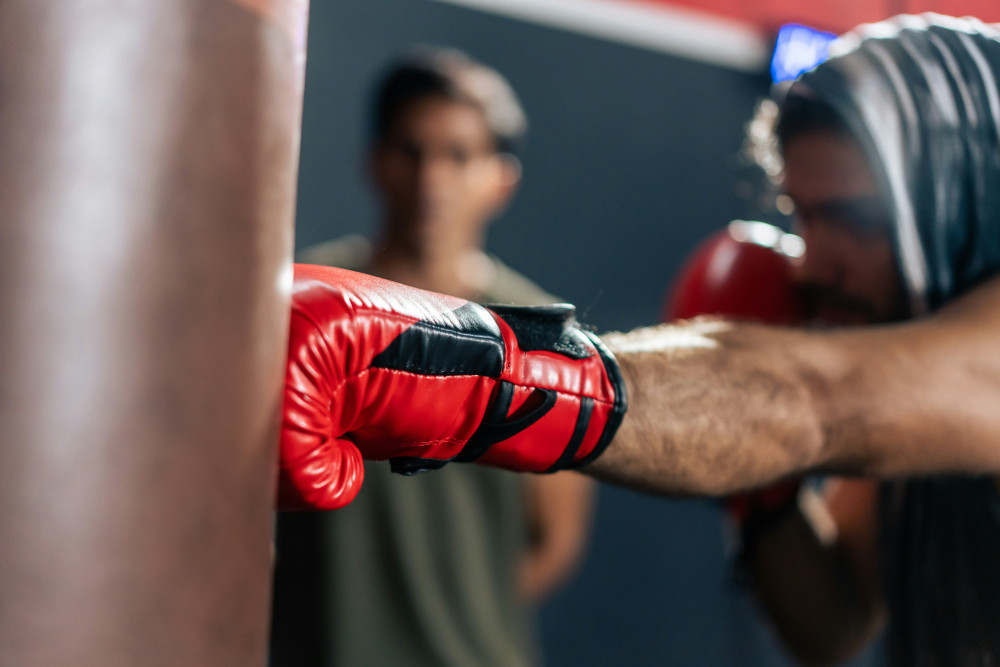
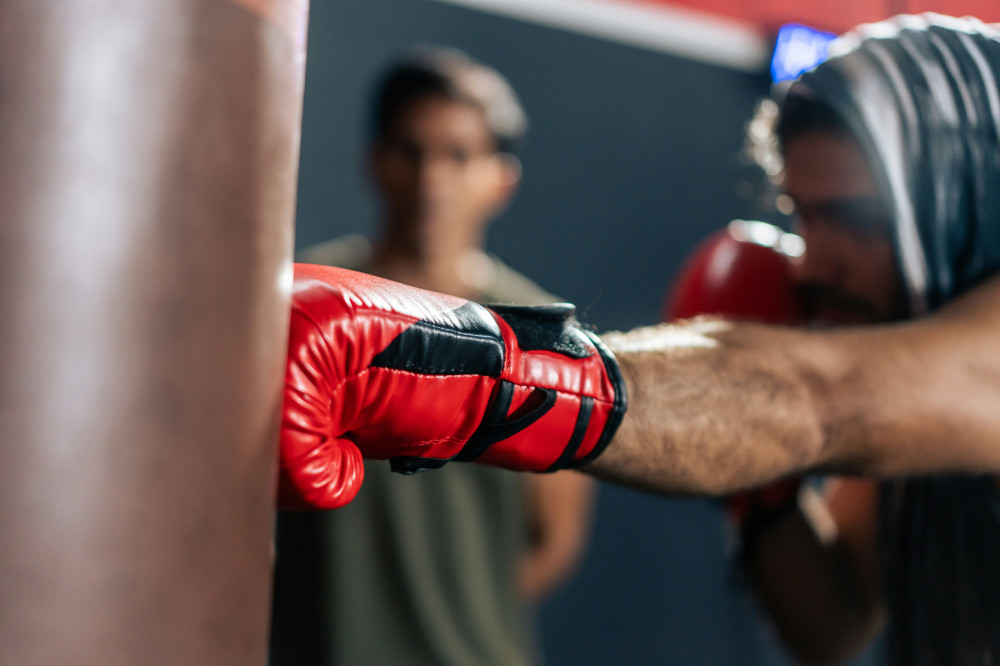
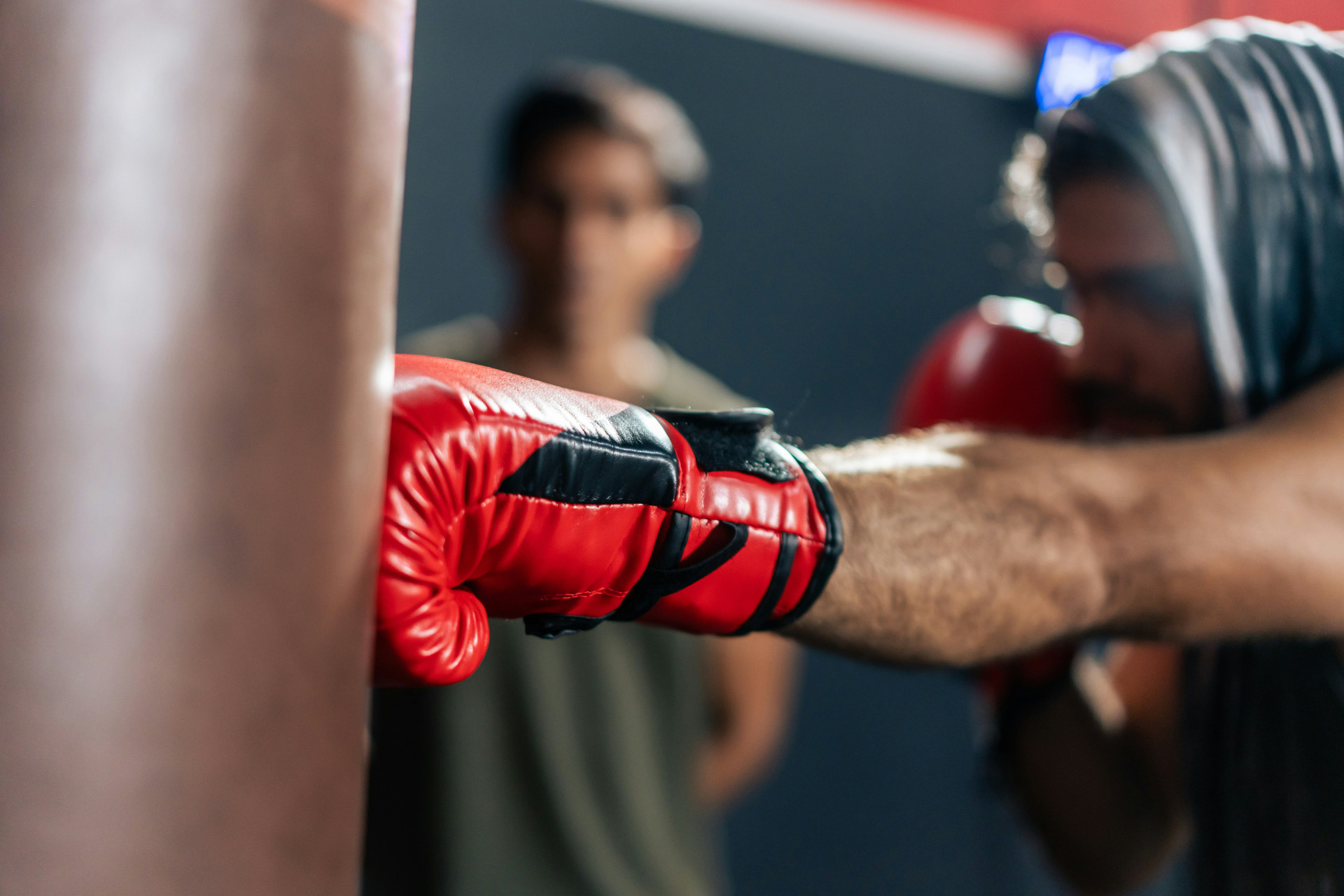
Martial arts are often associated with combat, competition, and self-defense—but behind the punches and kicks lies a deeply holistic form of physical training. Whether you practice karate, taekwondo, judo, or Brazilian jiu-jitsu, martial arts are as much about awareness, balance, and flexibility as they are about strength and technique. It’s a discipline that unites body and mind, challenging you in ways few other workouts can.
Body Awareness Through Movement
One of the most profound effects of martial arts training is the development of body awareness. Every movement demands precision, timing, and control. You learn to sense how your body responds, and how small adjustments in posture or breathing can transform your performance.
Many martial arts include elements of meditation or breathing exercises that help practitioners find calm and focus. Training becomes more than physical exertion—it becomes a moving form of mindfulness, teaching you to be fully present in each moment.
Balance—Physical and Mental
Balance is a central concept in martial arts. It’s not only about standing steady on one leg, but also about maintaining inner stability amid motion. Through practice, you learn to respond to resistance without losing your footing—both literally and mentally.
During sparring or drills, you must stay composed even when your heart rate rises. This ability to remain balanced under pressure translates directly into daily life: staying calm in stressful situations, responding thoughtfully rather than impulsively, and finding equilibrium in the face of challenges.
Flexibility and Strength Working Together
Martial arts build a unique kind of strength—not the kind measured by how much you can lift, but functional strength rooted in coordination, flexibility, and explosive power. Many techniques rely on natural, full-body movements that engage multiple muscle groups at once.
Flexibility plays an equally vital role. Instead of resisting an opponent or a movement, you learn to flow with it and redirect energy. This approach makes the body more adaptable and resilient, reducing the risk of injury and improving overall mobility.
Community and Discipline
Although martial arts can be practiced individually, community is at the heart of training. In the dojo or gym, people of all ages, genders, and backgrounds come together with a shared goal: self-improvement. Respect—for instructors, training partners, and tradition—is a core value that shapes the environment.
The discipline required can be demanding, but it fosters structure and focus. Many practitioners find that the mental strength they develop through training benefits them in school, work, and personal life. The lessons learned on the mat often extend far beyond it.
Læs også:

A Lifelong Practice
Martial arts can be adapted to any age or fitness level. For children, it builds coordination and confidence; for adults, it offers a dynamic way to stay fit; and for older practitioners, it supports balance and flexibility. It’s a form of training that can accompany you throughout life, evolving as you do.
Whether you’re seeking physical challenge, mental clarity, or a sense of community, martial arts offer a holistic path to well-being. It’s not just about learning to fight—it’s about learning to move with awareness, strength, and balance.
Læs også: