Fitness in Your Later Years: How to Stay Energetic and Joyful

Fitness in Your Later Years: How to Stay Energetic and Joyful
Staying fit isn’t just about running marathons or lifting heavy weights—it’s about maintaining energy, strength, and joy in everyday life. As we age, our bodies change, but that doesn’t mean our fitness has to decline. In fact, regular physical activity can be the key to a healthy, active, and fulfilling life well into our later years. Here’s how you can keep your body strong and your spirit high as the years go by.
Your Body Changes—But It’s Still Capable
Starting around age 40, muscle mass and cardiovascular capacity naturally begin to decrease if we don’t actively maintain them. Recovery takes longer, and flexibility may decline. But research consistently shows that even moderate, consistent exercise can make a remarkable difference.
The key is to find activities you enjoy and can stick with. A brisk daily walk is far more beneficial in the long run than an intense workout routine you quickly abandon. Consistency beats intensity when it comes to lifelong fitness.
Find the Type of Exercise That Fits You
There are countless ways to stay active—and it doesn’t have to happen in a gym. The goal is to get your heart rate up and move your body regularly.
- Walking – Gentle on the joints yet great for the heart. A 30-minute brisk walk each day can do wonders.
- Cycling – Whether on a stationary bike or outdoors, it strengthens your legs and boosts endurance.
- Swimming or water aerobics – Perfect if you have joint or back issues. The water supports your body while providing resistance.
- Dancing – A fun way to get your heart pumping while improving balance and coordination.
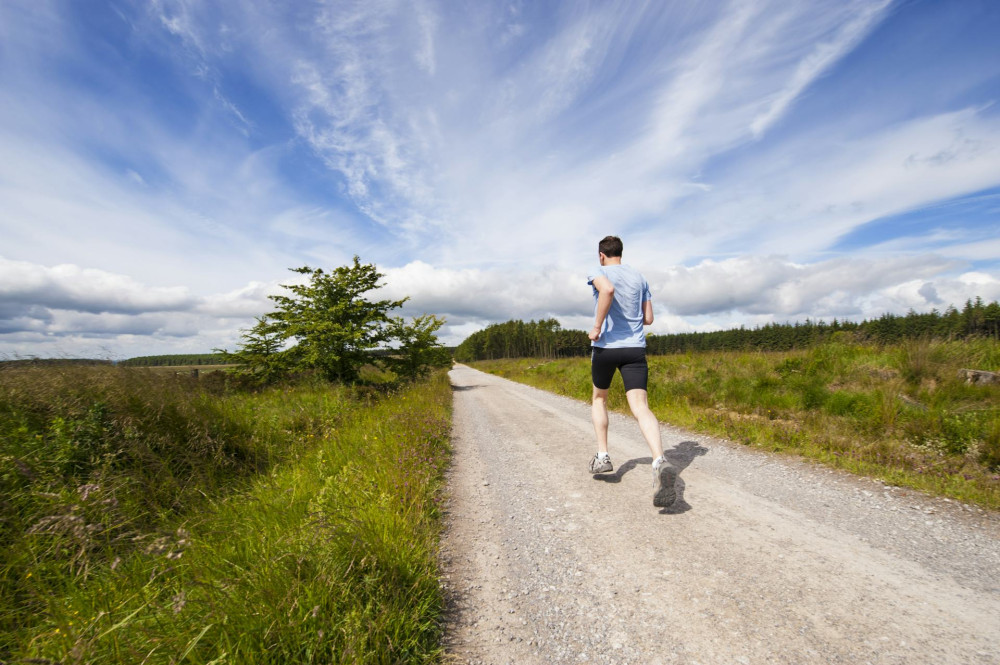
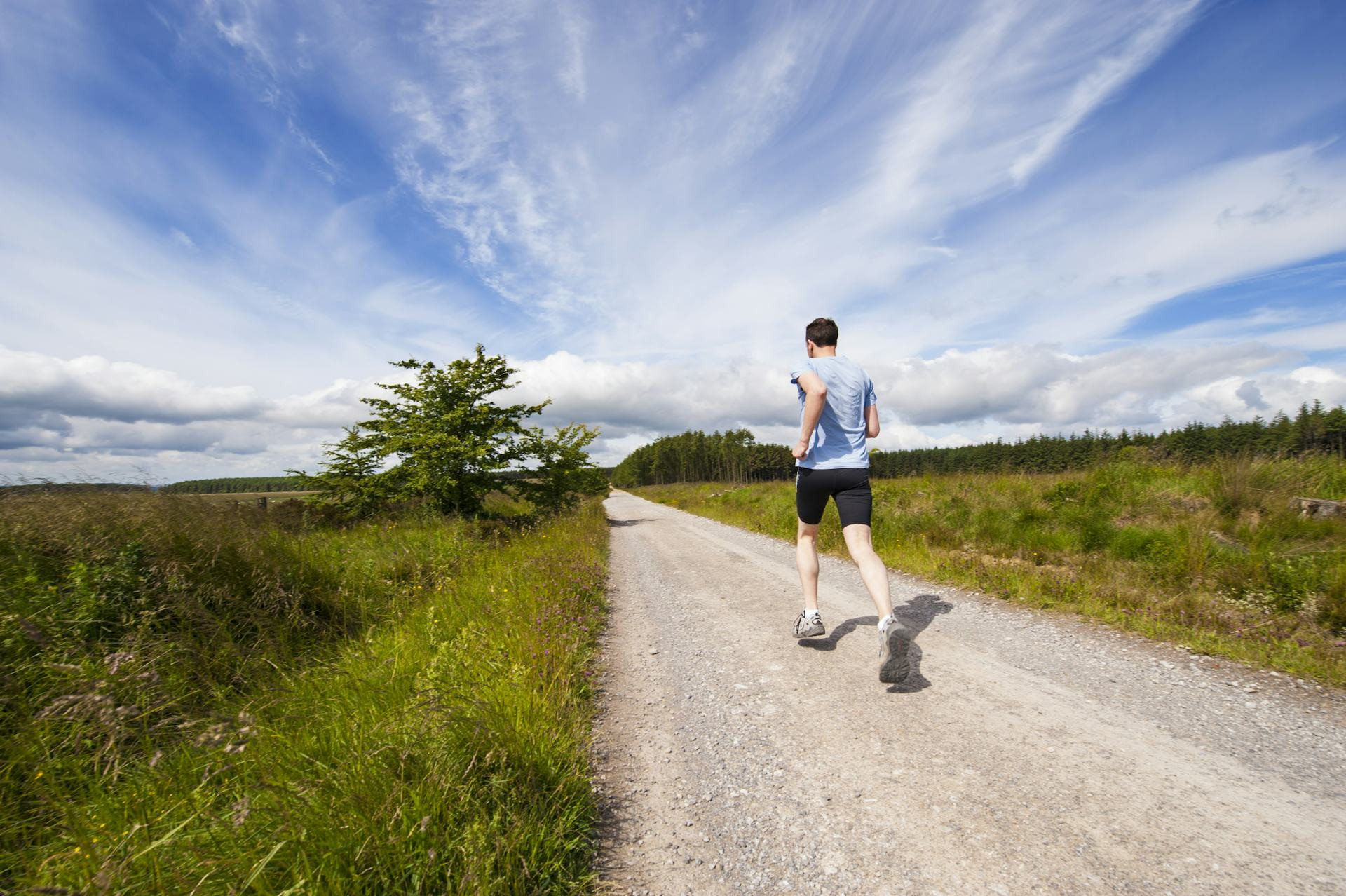
- Light jogging or interval walking – Ideal if you want to challenge yourself a bit more.
Choose something that makes you look forward to moving. The best exercise is the one you’ll actually do.
Strength Training—Your Best Ally Against Aging
While cardio is important, don’t overlook strength training. After age 50, we naturally lose muscle mass, which can affect balance, metabolism, and overall mobility. Strength training helps counteract that decline.
You don’t need heavy weights—bodyweight exercises, resistance bands, or light dumbbells can be enough. Focus on major muscle groups: legs, back, core, and shoulders. Aim for two to three sessions per week. Strong muscles support your joints, improve posture, and make daily tasks easier.
Listen to Your Body and Give It Time
As we age, recovery takes longer. That doesn’t mean you should stop moving—it just means you should pay attention to your body’s signals. Mild soreness is normal; sharp pain is not.
Always warm up before exercising and stretch afterward. And remember, rest, sleep, and nutrition are just as important as the workouts themselves. A balanced diet rich in protein, vegetables, and healthy fats helps your muscles rebuild and keeps your energy steady.
Læs også:




Motivation and Joy in Movement
For many older adults, fitness isn’t about competition—it’s about well-being. Exercise can be social, relaxing, and mentally uplifting.
Set realistic goals, like walking a certain distance without stopping or joining a local cycling group. Celebrate small victories, and remind yourself that every bit of movement counts.
If motivation dips, try joining a class, finding a workout buddy, or using a fitness app to track your progress. The goal is to make movement a natural, enjoyable part of your daily routine.
Finding Joy Through Movement
Exercise doesn’t just strengthen your body—it boosts your mood, improves sleep, and enhances mental clarity. Physical activity releases endorphins, the body’s natural “feel-good” chemicals, which can help you feel more positive and energetic.
Staying fit in your later years isn’t about chasing youth—it’s about giving yourself the best possible foundation for an active, joyful life at any age. With the right mindset and a bit of movement each day, you can stay strong, vibrant, and full of life for years to come.
Læs også: