Eat Regularly – and Keep Your Energy Steady All Day Long

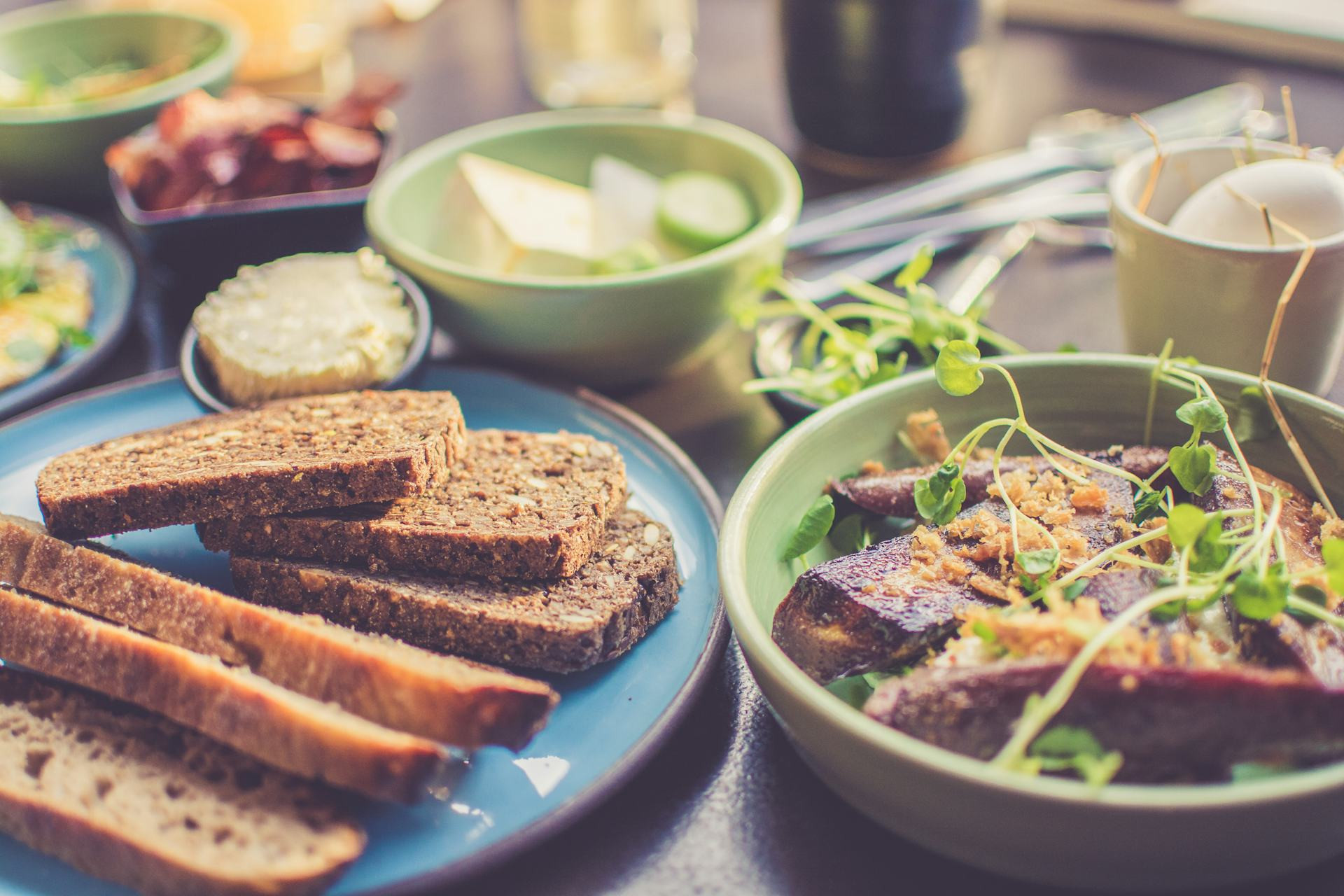
Eat Regularly – and Keep Your Energy Steady All Day Long
Most people know the feeling of hitting a wall in the middle of the afternoon — your focus fades, your mood dips, and you start craving coffee or something sweet. It’s not just about willpower; it’s often your blood sugar taking a dive. By eating regularly and choosing balanced meals, you can keep your energy steady and your body in sync all day long.
Why Regular Meals Make a Difference
When you eat, your blood sugar rises, giving your body the fuel it needs. But if you go too long without food, your blood sugar drops — and that can lead to fatigue, irritability, and poor concentration. Eating at regular intervals helps you avoid those highs and lows and keeps your energy level consistent.
For most people, three main meals and two or three snacks throughout the day work well. That doesn’t mean you should be eating constantly, but rather that you plan your meals so there’s no more than about three to four hours between them.
Start the Day with a Solid Breakfast
A good breakfast sets the tone for the rest of your day. After a night of fasting, your body needs fuel to get going — and eating in the morning helps prevent overeating later.
A balanced breakfast should include:
- Complex carbohydrates – such as oatmeal, whole-grain toast, or whole-grain cereal for long-lasting energy.
- Protein – like eggs, Greek yogurt, nut butter, or cottage cheese to help you feel full and keep blood sugar stable.
- Fruits or vegetables – for vitamins, fiber, and freshness.
If you’re not hungry early in the morning, start with something light and have a more substantial meal a bit later.
Smart Snacks to Keep You Going
Snacks aren’t just for kids or athletes — they’re an important part of maintaining steady energy. They help prevent big dips in blood sugar and keep you from getting so hungry that you overeat at your next meal.
Good snack ideas include:
- A handful of nuts and a piece of fruit
- Whole-grain crackers with cheese or hummus
- Veggie sticks with dip
- A small serving of yogurt with berries
Try to avoid snacks made mostly of sugar and refined flour — they give you a quick boost but are followed by a crash.
Læs også:
Lunch and Dinner – Think Balance
Your main meals should provide both energy and nourishment. A simple way to build a balanced plate is to follow the “plate method”:
- Half your plate with vegetables
- One-quarter with protein (such as chicken, fish, beans, or eggs)
- One-quarter with whole grains or starchy vegetables like sweet potatoes
This combination gives you fiber, vitamins, minerals, and slow-releasing energy that keeps you full longer and helps prevent mindless snacking.
Stay Hydrated – and Take Breaks
Dehydration can feel a lot like fatigue or hunger. Make sure to drink water regularly throughout the day — about 6 to 8 cups, depending on your activity level and the weather. Coffee and tea can count toward your fluid intake, but try to limit sugary drinks.
Also, take time to eat without distractions. Sitting down to enjoy your food — instead of eating in front of a screen — helps your digestion and makes it easier to notice when you’re full.
Planning Makes It Easier
A busy schedule can make regular eating a challenge, but a little planning goes a long way. Pack lunches, keep healthy snacks on hand, and stock your fridge with easy, nourishing options. That way, you’re less likely to grab fast food or sugary treats when hunger strikes.
Use weekends to prep for the week ahead — boil eggs, chop vegetables, or cook a batch of whole grains. Having ready-to-eat ingredients makes it much easier to stick to your healthy routine.
A Steady Rhythm for More Energy
Eating regularly isn’t just about avoiding hunger — it’s about creating a rhythm that supports both body and mind. When your energy stays steady, it’s easier to focus, move, and stay in a good mood throughout the day.
Small changes in your eating habits can make a big difference. Start by planning your meals, listening to your body’s signals, and finding the rhythm that works best for you.
Læs også: