Cold and Safety on the Slopes: How to Prevent Frostbite and Dehydration

Cold and Safety on the Slopes: How to Prevent Frostbite and Dehydration
A day on the slopes is all about speed, freedom, and fresh mountain air—but it’s also about staying safe in the cold. When temperatures drop and the wind picks up, your body can lose heat and moisture faster than you realize. Frostbite and dehydration are two of the most common yet overlooked risks for skiers and snowboarders. With the right preparation, though, they’re easy to prevent. Here’s how to stay warm, hydrated, and safe so you can enjoy your time on the mountain without worry.
Understanding the Cold—and How Your Body Reacts
When you’re skiing or snowboarding, your body faces a mix of cold air, wind, and moisture. At the same time, physical activity makes you sweat. That combination can quickly cool your body, especially in exposed areas like fingers, toes, nose, and cheeks.
Frostbite happens when skin and underlying tissues freeze. Early signs include cold, tingling skin that turns pale or white and becomes numb. If ignored, frostbite can cause lasting damage. The key is to act early—get to a warm place, gently rewarm the area, and never rub the skin, as that can worsen the injury.
Dress in Layers
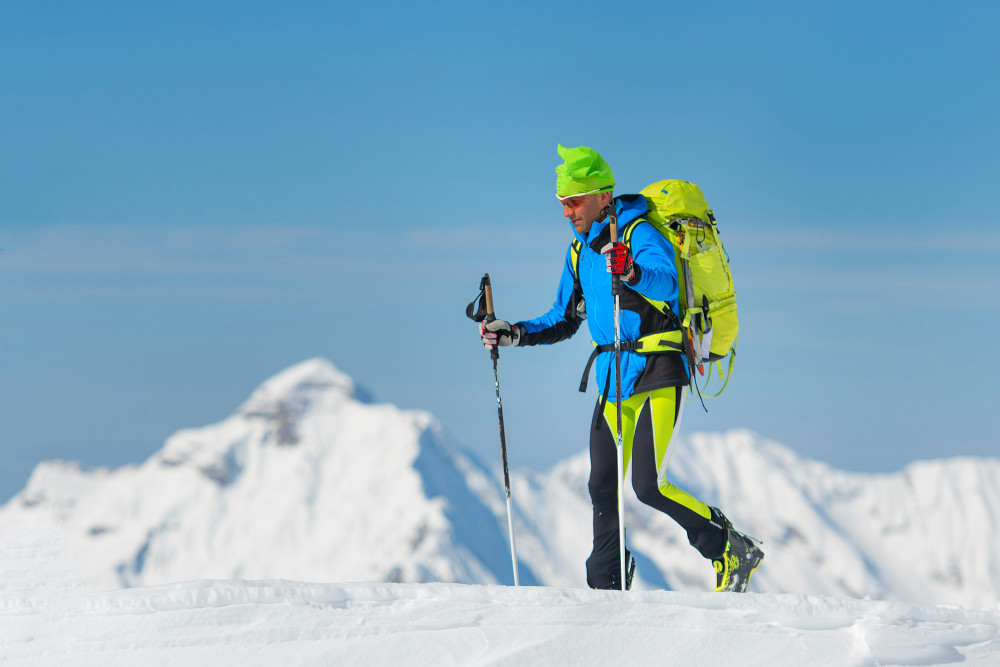
The best defense against the cold is the classic layering system. It allows you to adjust your clothing as conditions change and helps your body regulate temperature.
- Base layer: Moisture-wicking underwear made of wool or synthetic fabric to keep your skin dry. Avoid cotton—it stays wet and cold.
- Middle layer: An insulating layer such as fleece or a lightweight down jacket to trap body heat.
- Outer layer: A windproof, waterproof shell jacket and pants to protect against snow and wind.
Don’t forget warm gloves or mittens, a neck gaiter, a hat or helmet liner, and quality ski socks. It’s always better to remove a layer than to wish you had one more.
Protect Hands, Feet, and Face
Your extremities are most vulnerable to frostbite. Keep gloves dry and warm, and bring an extra pair if you’ll be out all day. Hand warmers can be a lifesaver on frigid mornings.
Make sure your boots fit properly—tight boots or too many sock layers can restrict circulation and make your feet colder. Apply a thick, water-free face cream to protect your skin, and always use sunscreen. Even on cloudy days, UV rays reflect off the snow and can cause sunburn.
Stay Hydrated—Even in the Cold
Cold weather can dull your sense of thirst, but your body still loses fluids through sweat and breathing. Dehydration can lead to fatigue, headaches, and poor concentration—all of which increase your risk of accidents.
Drink regularly, even if you don’t feel thirsty. Water, herbal tea, or diluted sports drinks are good choices. Limit caffeine and alcohol, as they can dehydrate you. A good rule of thumb is to take a few sips every time you stop for a break.
An insulated water bottle or hydration pack with an insulated tube can keep your drink from freezing and make it easy to sip on the go.
Læs også:
Check the Weather and Plan Ahead
Mountain weather can change in minutes. Always check the forecast before heading out, paying attention to temperature, wind, and visibility. Strong winds can make it feel much colder, and poor visibility can make navigation difficult.
If conditions turn extreme, take a break in a lodge or warming hut. Missing an hour on the slopes is better than risking frostbite or an accident.
Listen to Your Body
Cold and dehydration affect your body gradually. If you start shivering, lose feeling in your fingers or toes, or feel unusually tired, it’s time to warm up and rehydrate. Take a break, drink something, and get your body temperature back to normal before continuing.
Children and older adults lose heat faster, so keep an eye on each other. It’s often easier to spot early signs of frostbite in someone else than in yourself.
Safety Is Part of the Fun
Skiing and snowboarding aren’t just about skill and speed—they’re also about taking care of yourself and others. By dressing properly, staying hydrated, and paying attention to your body’s signals, you can avoid the most common cold-related problems.
So next time you hit the slopes, remember: the best day on the mountain is the one where you come home with rosy cheeks—and no frostbite.
Læs også: